








Hearing the words "you have a cavity" can be a sinking feeling. Immediately, you might wonder if there is a way to fix it naturally without the drill. Can you just brush better, change your diet, or use a special toothpaste to make it go away?
The answer is not a simple "yes" or "no"—it depends entirely on the stage of the decay. While you cannot grow back a tooth that has physically broken, you can reverse the early stages of damage before it turns into a permanent hole.
At Pullenvale Dental, we believe in helping you save your natural teeth whenever possible. This guide explains exactly when tooth decay can be reversed and when professional intervention is the only safe option.
Note: Individual results may vary. This article is for educational purposes only and does not replace professional dental advice. Always seek a second opinion from a qualified health practitioner.
Understanding the Stages: When Can You Reverse Tooth Decay?
Tooth decay is a process, not an overnight event. It happens in stages, and identifying where you are in this cycle is the key to knowing if you can "heal" it.
Stage 1: Demineralisation (Reversible)
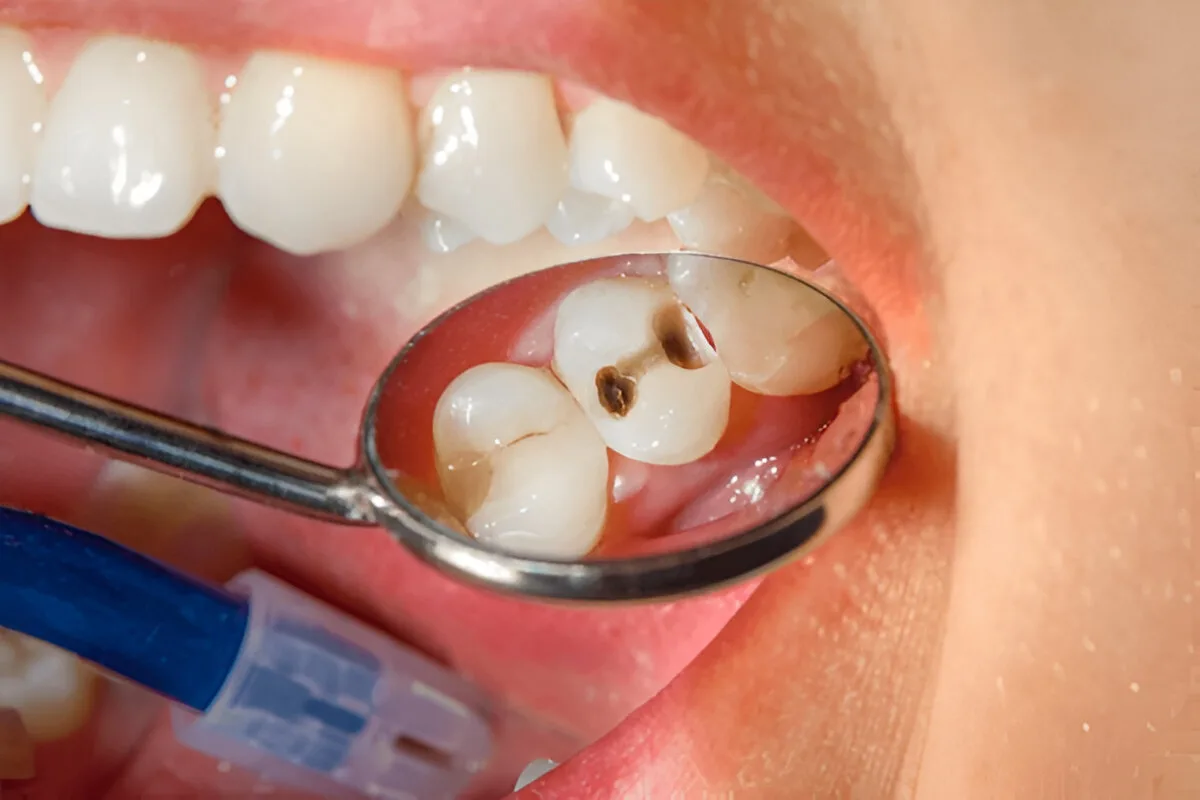
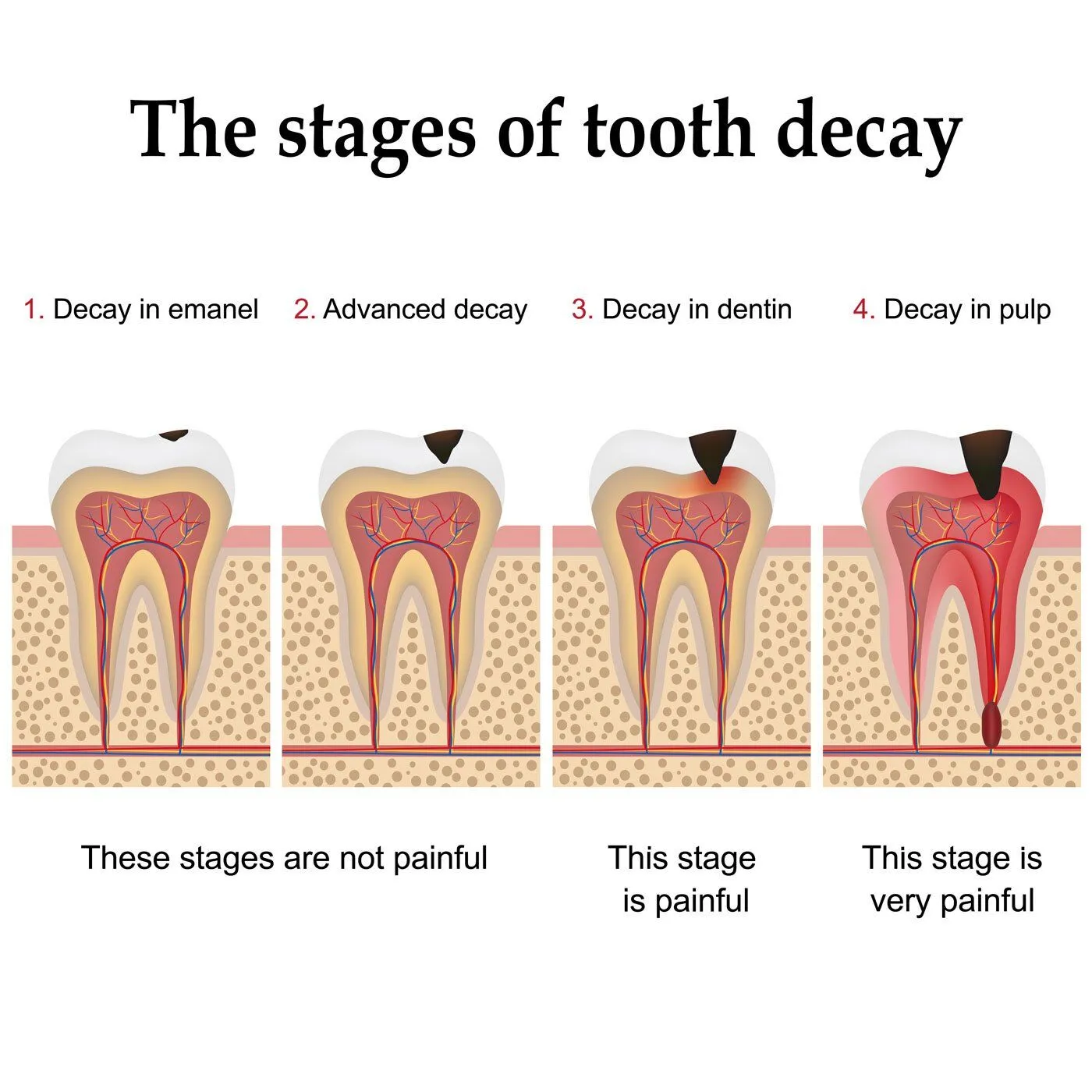
This is the "warning zone." Bacteria in your mouth produce acids that strip minerals from your enamel. You might see chalky white spots on your teeth. At this stage, the surface is still intact, and remineralisation (putting minerals back in) is possible.
Stage 2: Enamel Decay (Irreversible)
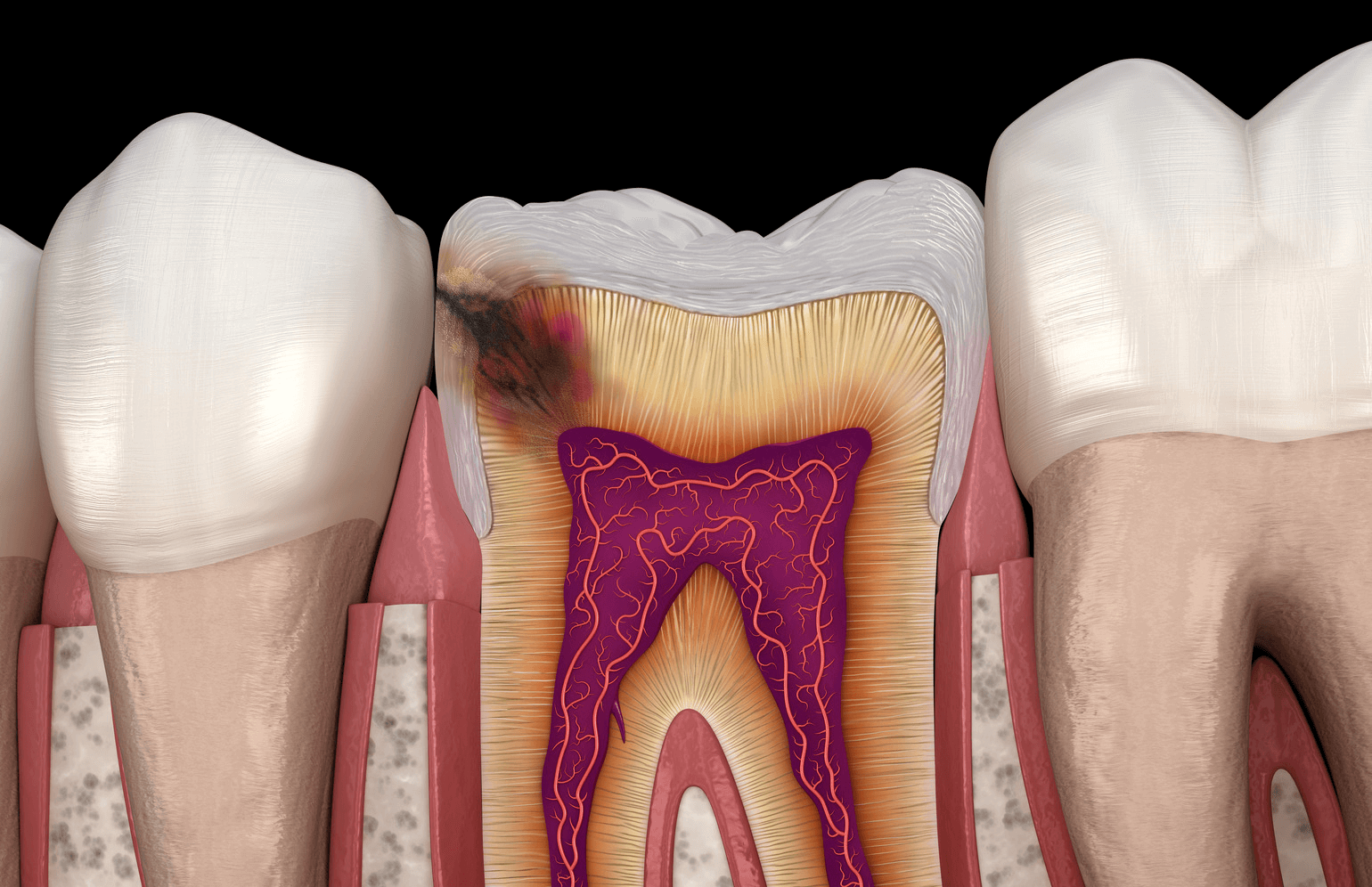
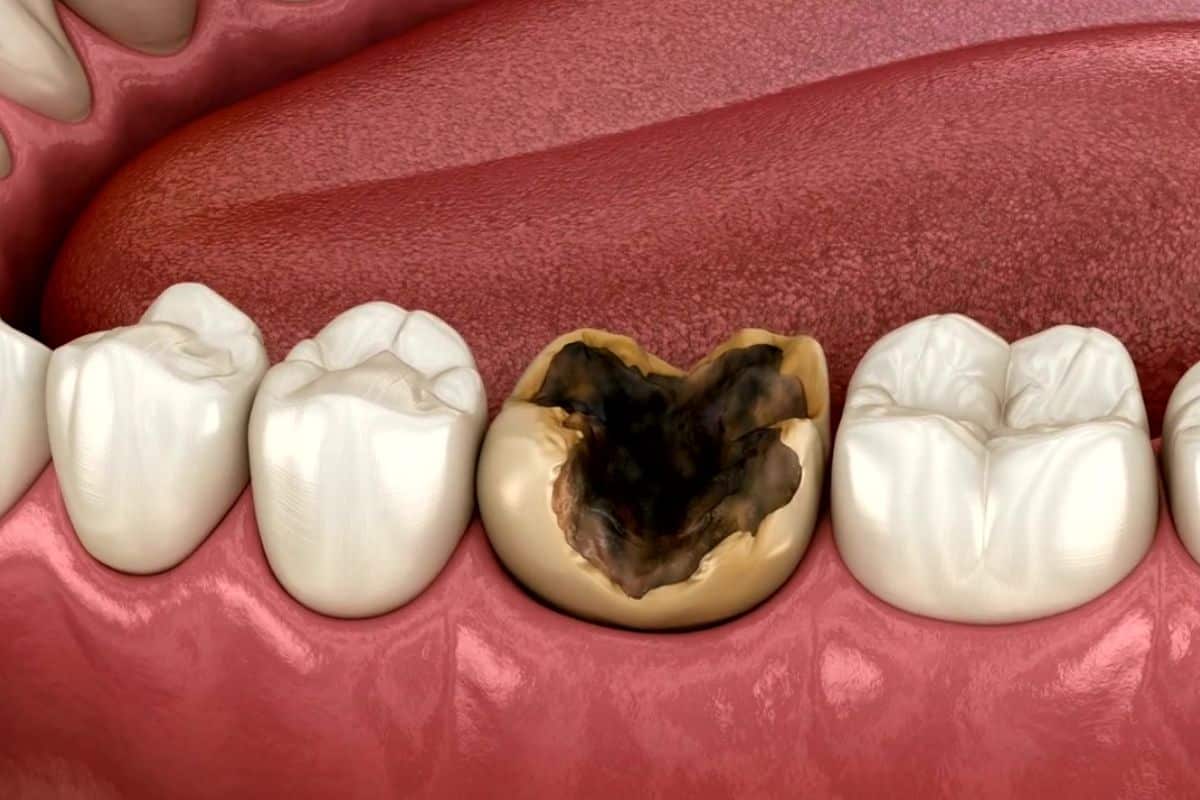
If the acid attack continues, the enamel surface collapses, forming a physical hole or "cavity." Enamel contains no living cells, so it cannot "heal" like a cut on your skin. Once a physical hole exists, a filling is needed.
Stage 3: Dentin Decay (Irreversible)
The decay moves deeper into the softer dentin layer. This is when you often feel aching pain in the jaw and teeth or sensitivity.
Comparison: Early Decay vs. Established Cavity
How do you know which stage you are in? Here is a quick comparison.
4 Ways to Halt Early Decay at Home
If you have caught it early, your goal is to help your body repair the weakened enamel. According to Healthdirect Australia, fluoride plays a critical role in this defense.
1. Fluoride is Key
Fluoride acts like a "supercharger" for your saliva. It attracts calcium and phosphate minerals back to the tooth surface to rebuild the crystal structure. Using a fluoride toothpaste twice a day is the most effective way to reverse dental decay in its early stages.
2. Saliva Stimulation
Saliva is your body's natural defense. It washes away acids and provides the minerals needed for repair. Chewing sugar-free gum (especially with xylitol) after meals can boost saliva flow.
3. Diet Modification
Every time you eat sugar, bacteria produce acid for 20 minutes. Cutting down on snacking gives your saliva time to neutralize the acid and repair the tooth. If you have noticed issues like gums turning black or dark triangles, diet and hygiene are often the first steps in management.
4. Managing Sensitivity
Sometimes early decay presents as sensitivity. Using a specialized toothpaste can help, but knowing when to see your dentist for sensitive teeth is crucial to ensure it isn't something deeper.
"Natural" Remedies vs. Clinical Reality
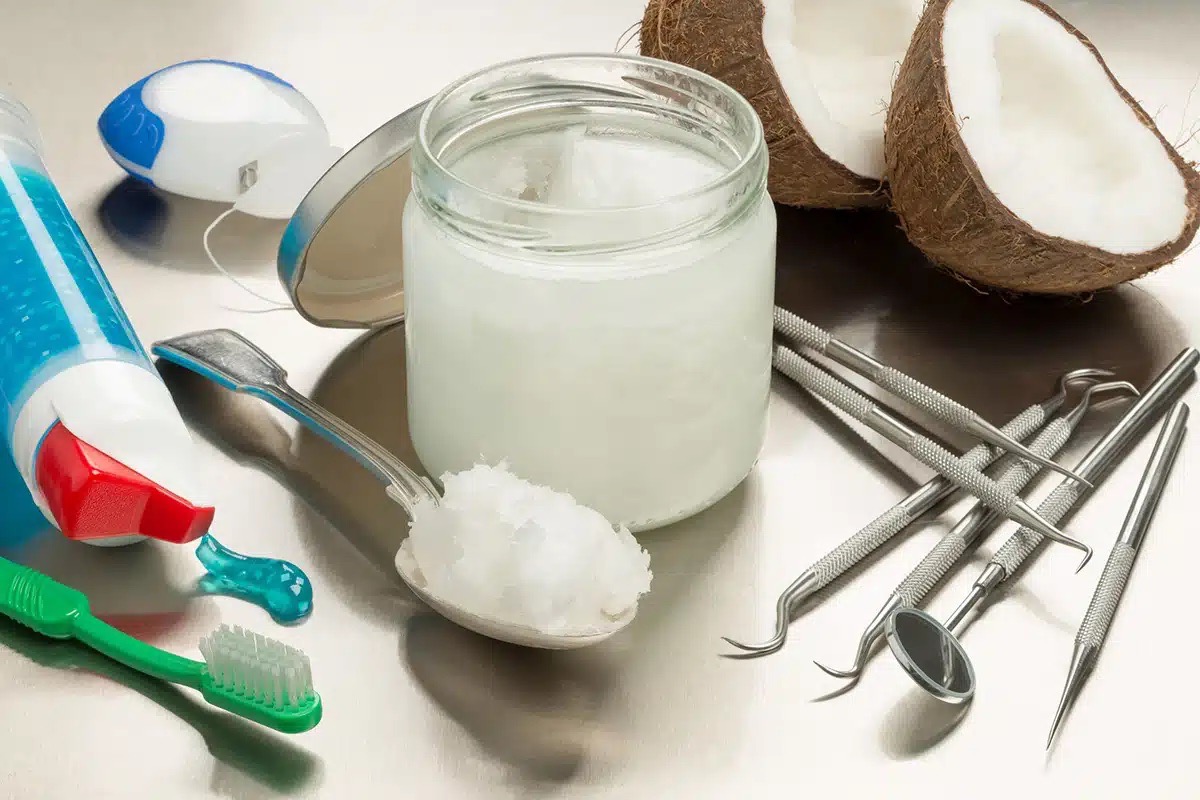
You may see advice online about "healing cavities naturally" with oil pulling or homemade pastes. While things like coconut oil pulling can reduce harmful bacteria levels in the mouth, they cannot filling a physical hole in a tooth.
For a detailed look at the science of remineralisation, Wikipedia's overview explains the chemical process of how minerals are deposited into enamel voids.
Interactive Checklist: Is It Reversible or Do I Need a Filling?
🔍 Self-Check: Can I Reverse It?
Tick the signs you notice to see where you stand:
*This tool is for guidance only. Only a dentist can confirm if a cavity has formed.
What If It's Too Late to Reverse?
If the decay has progressed to a cavity, ignoring it will only lead to bigger problems, such as infection or the need for a root canal. In severe cases where the tooth cannot be saved, tooth extraction might be the only option.
However, modern restorative dentistry offers many solutions. If you lose a tooth, dental implants can provide a permanent replacement. Preventive care is always cheaper than cure, so catching issues early is vital.
The Better Health Channel emphasizes that regular dental check-ups are the best way to catch decay while it is still in the reversible "white spot" stage.
Summary: Don't Wait for the Ache
You can reverse early tooth decay, but the window of opportunity is small. Once a hole forms, you need professional help. Maintaining good oral hygiene and addressing gum pain or sensitivity early gives you the best chance of avoiding the drill.
Think you might have a cavity starting? Contact Pullenvale Dental today. We can assess if remineralisation is an option or if a small intervention now can save you from a major procedure later.


