








The quest for natural oral hygiene has led many to rediscover "oil pulling", an ancient practice that has gained modern popularity across social media and wellness circles. At Pullenvale Dental, we believe in empowering our patients with evidence-based information to help navigate the many options available for maintaining a healthy smile. While natural trends can be appealing, it is essential to understand how they fit into a comprehensive oral health routine.
This article is general information only and does not replace personal medical advice. If symptoms persist or worsen, contact a dentist or your nearest medical service for assessment. Note: Individual results may vary.
Understanding Gum Inflammation and Plaque Control
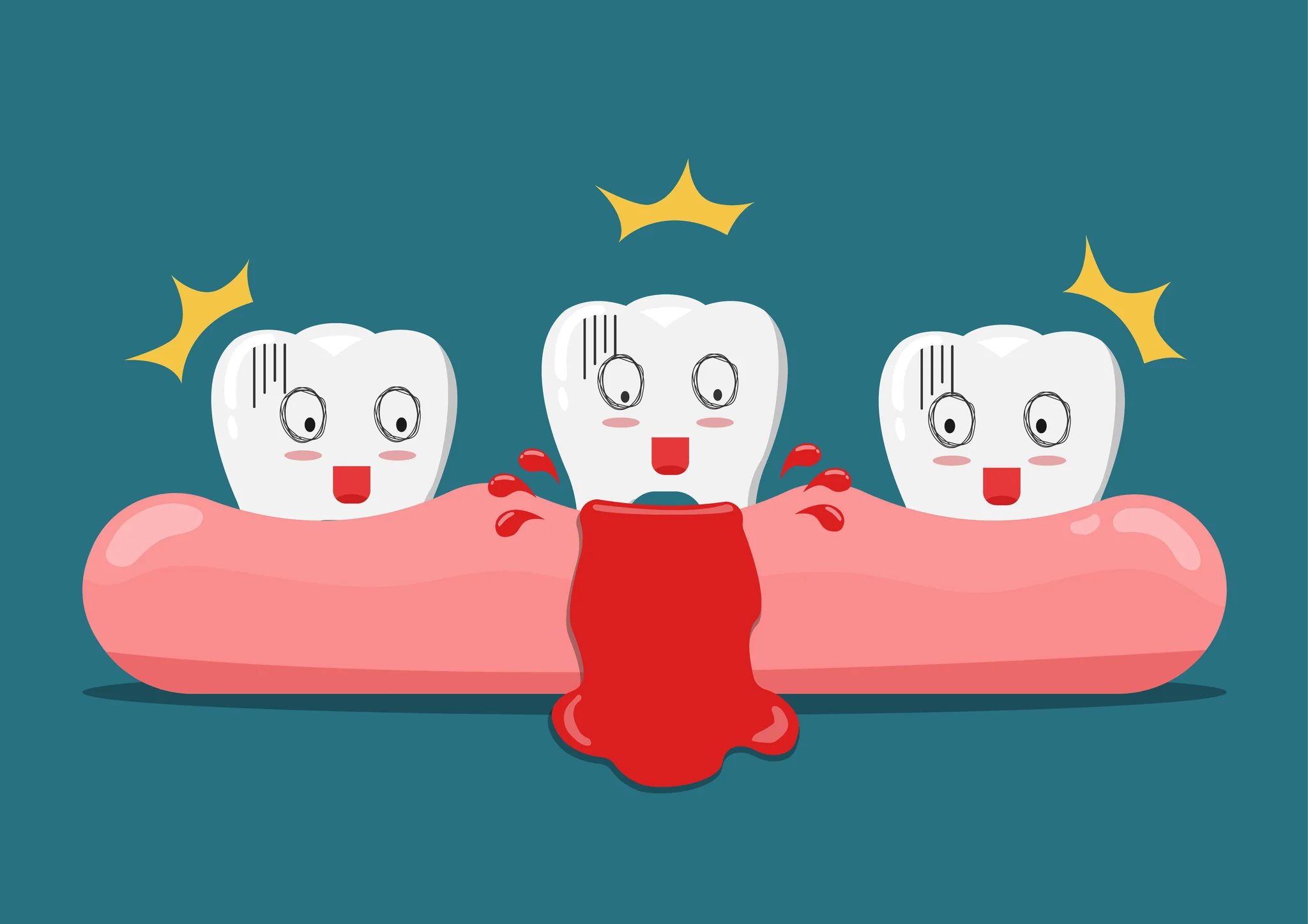
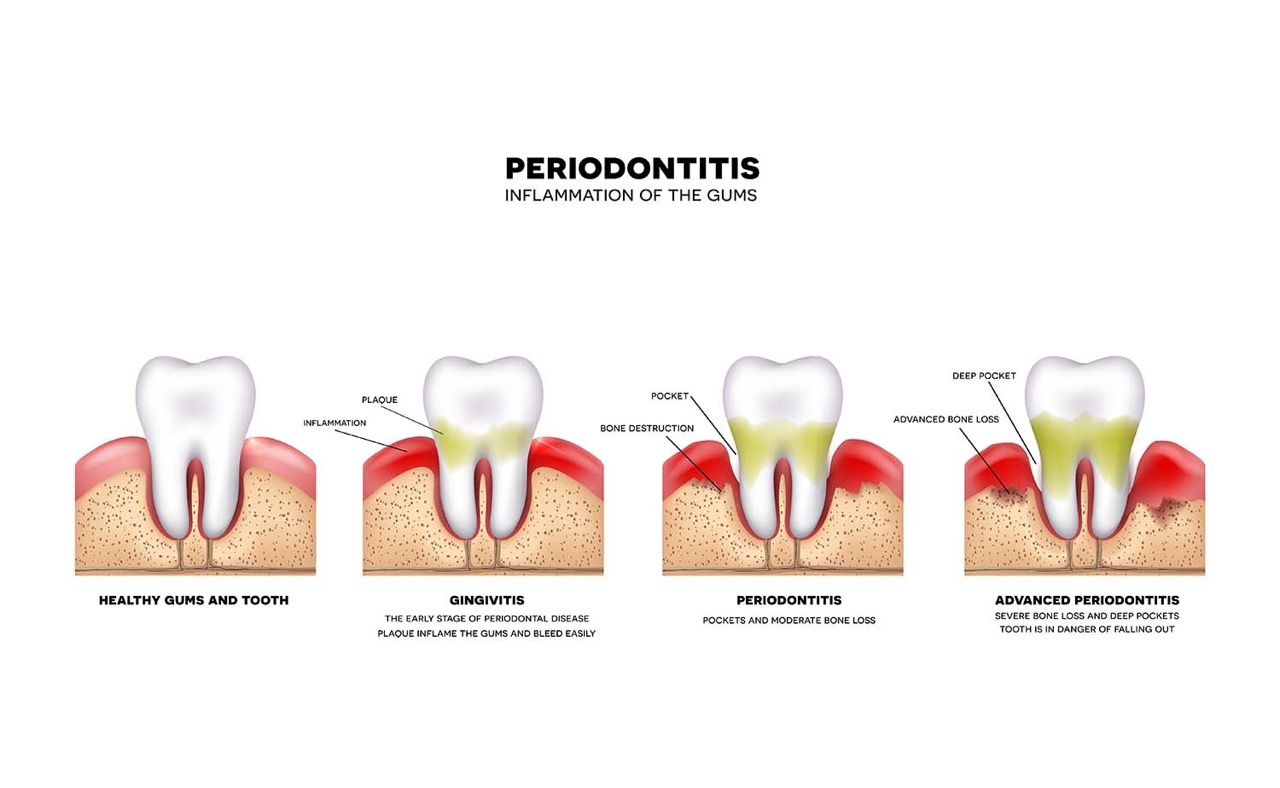
Gum inflammation, or gingivitis, is primarily caused by the accumulation of dental plaque-a sticky film of bacteria that constantly forms on the teeth. When plaque is not effectively removed through regular hygiene, the toxins produced by these bacteria irritate the gum tissue, leading to redness, swelling, and the common symptom of bleeding gums causes and risks. Identifying these early signs is the first step toward reclaiming your oral health.
Effective plaque control is the cornerstone of managing gum disease. While various rinses may assist in reducing bacterial counts, they are most helpful when used as supplements to the mechanical removal of plaque through brushing and flossing. According to Healthdirect Australia, maintaining a strict hygiene routine is vital to prevent gingivitis from progressing into more serious periodontal conditions.
The Role of Bacteria in Gingivitis
Specific strains of bacteria are known to trigger the inflammatory response in gum tissue. If left undisturbed, these bacterial colonies mature and harden into calculus (tartar), which cannot be removed by a toothbrush. This hardened buildup provides a rough surface that attracts even more plaque, creating a cycle of inflammation that requires professional intervention to break.
Why Plaque Control is Essential for Gum Recovery
Recovery from gum inflammation is only possible when the source of irritation-plaque-is consistently disrupted. Reducing the bacterial load in the mouth allows the gum tissue to heal and reattach firmly to the teeth. Without diligent daily care, even the most advanced clinical treatments will have limited long-term success in maintaining gum stability.
What is Oil Pulling and Does It Work?
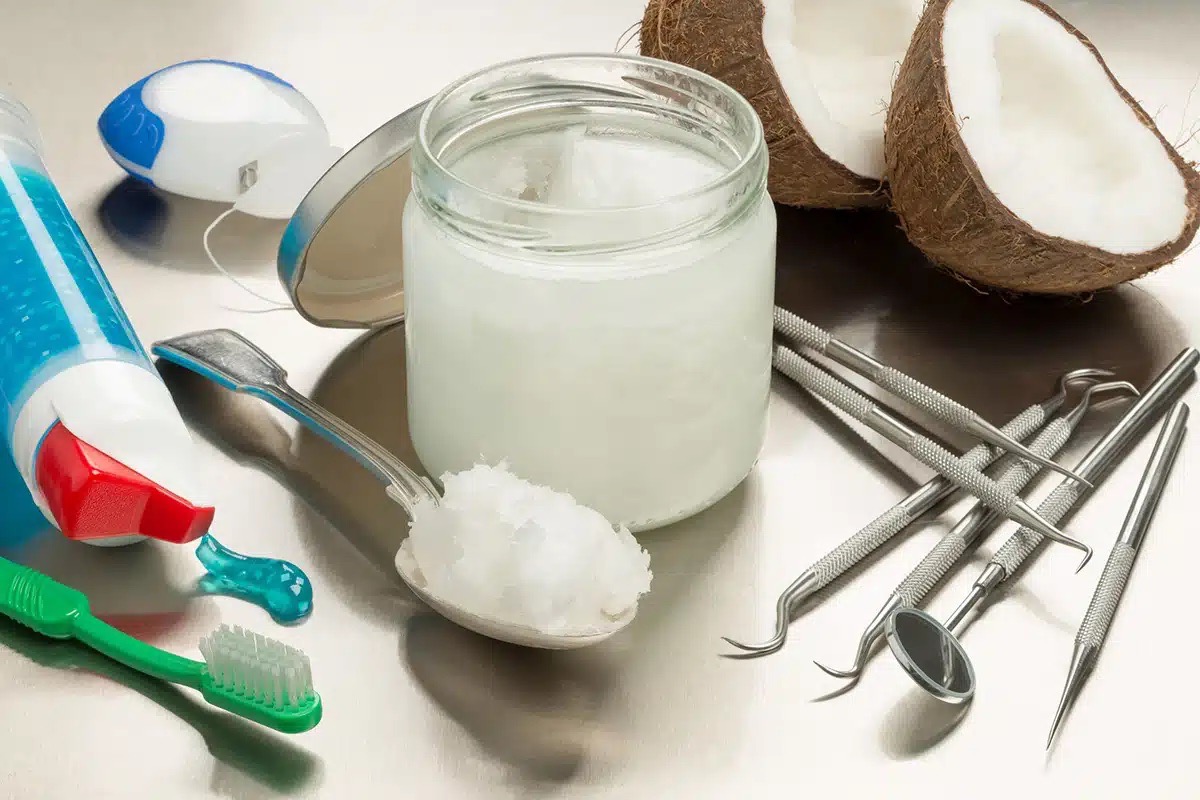
Oil pulling involves swishing a tablespoon of oil-typically coconut, sesame, or sunflower oil-around the mouth for 15 to 20 minutes before spitting it out. Proponents suggest that the oil "pulls" bacteria and toxins from the oral cavity, theoretically improving gum health and whitening teeth. While many patients ask if can you reverse tooth decay through such methods, it is important to clarify that oil pulling is not a substitute for clinical remineralisation or restorative treatments.
From a clinical perspective, the swishing action itself may provide some mechanical cleansing, and certain oils like coconut oil contain lauric acid, which is known to have antimicrobial properties. However, while some small studies suggest oil pulling may assist in reducing plaque scores, the evidence is not yet robust enough to recommend it as a primary treatment for gingivitis or a replacement for standard fluoride toothpaste.
The Theory Behind "Swishing" Oil
The practice is based on the concept of lipophilic action, where the fatty membranes of bacteria are attracted to the oil. As the oil is swished, it supposedly traps these microorganisms within the liquid, which is then expelled. This process is often performed first thing in the morning on an empty stomach to maximise the perceived "detoxification" effect, though scientific validation for this timing is limited.
What the Research Says About Oil Pulling for Plaque
Research into oil pulling remains an area of interest, but current high-quality systematic reviews often find it to be less reliable than traditional chemotherapeutic rinses. While it may offer a low-risk adjunct for those seeking natural options, it should never be relied upon as the sole method for managing active gum inflammation or preventing cavities.

Oil Pulling vs. Clinical Antibacterial Mouthwash
When dealing with active gum inflammation, dentists often recommend a medicated antibacterial mouthwash for gingivitis. These pharmaceutical options are formulated with specific active ingredients designed to target and kill the bacteria responsible for plaque formation. Unlike oil pulling, which relies on a slower mechanical and mild antimicrobial process, clinical rinses provide a concentrated therapeutic effect that is often necessary for significant professional check and clean outcomes.
It is important to understand the differences between natural swishing and medicated rinses to choose the right tool for your specific needs. Clinical options like chlorhexidine mouthwash are powerful but come with specific instructions for use, whereas cetylpyridinium chloride mouthwash offers a different profile for daily maintenance. Below is a comparison of these common methods:
Chlorhexidine Mouthwash: The Gold Standard for Gingivitis?
Chlorhexidine is widely regarded by dental professionals as one of the most effective agents for reducing plaque and treating gingivitis. It works by binding to the oral surfaces and slowly releasing its antibacterial properties over several hours. Due to its potency, it is often prescribed after surgery or during acute phases of gum disease, though it is not intended for long-term daily use.
Cetylpyridinium Chloride (CPC) and Alcohol-Free Options
For those who find traditional rinses too harsh, an alcohol-free mouthwash containing Cetylpyridinium Chloride (CPC) can be an excellent alternative. CPC works by penetrating the bacterial cell membrane, making it a reliable option for daily plaque control. These formulas are often gentler on the delicate tissues of the mouth while still providing clinical-grade protection against bacteria.
Comparing Results: Natural vs. Pharmaceutical Rinses
While oil pulling offers a holistic appeal and lacks the synthetic chemicals found in pharmaceuticals, it generally takes much longer to achieve measurable results compared to medicated rinses. For patients with mild inflammation, natural methods may support wellness, but for those with significant bleeding or deep periodontal pockets, a pharmaceutical approach is typically required to stabilise the condition.

Practical Checklist: A Step-by-Step Gingivitis Home Care Routine
Consistency is the key to any successful gingivitis home care plan. Integrating both mechanical cleaning and supplemental rinses ensures that bacteria are disrupted across all surfaces of the mouth. If you are also managing sensitive teeth at home, ensure your technique is gentle and your products are non-abrasive.
- Step 1: Brush twice daily with a soft-bristled toothbrush and fluoride toothpaste for at least two minutes.
- Step 2: Floss or use interdental brushes once daily to remove plaque from between the teeth.
- Step 3: If using oil pulling, swish 1 tablespoon of coconut oil for 15-20 minutes before breakfast.
- Step 4: Spit the oil into a bin (not the sink, to avoid plumbing issues) and rinse with warm water.
- Step 5: If prescribed, use a medicated mouthwash at a separate time from brushing to avoid washing away fluoride.
- Step 6: Monitor your gums for changes in colour, texture, or bleeding.
Potential Side Effects and Considerations
Every oral health intervention, whether natural or pharmaceutical, comes with potential considerations. Understanding mouthwash side effects helps you make an informed decision about which products to include in your routine. For example, some rinses can interact with restorative work, so patients with extensive dental fillings treatment should consult their dentist before starting a new medicated regimen.
According to Better Health Channel Victoria, improper use of dental products can lead to unintended consequences. It is always best to follow the "less is more" principle when starting new treatments and to monitor your body's response closely.
How Long to Use Medicated Mouthwash
A common question is how long to use medicated mouthwash. For high-strength options like chlorhexidine, use is typically limited to two weeks. Prolonged use can lead to undesirable changes in the mouth's microbiome and physical side effects that can be difficult to reverse without professional help.
Side Effects of Long-Term Chlorhexidine Use
The most frequent side effects of long-term chlorhexidine use include persistent brown staining on the teeth, dentures, and the surface of the tongue. It can also cause a temporary alteration in taste perception and, in some cases, an increase in tartar formation due to the way the chemical interacts with the saliva. These issues are why professional guidance is essential for its use.
When to See a Dentist for Gum Inflammation
While home care is vital, it cannot replace the specialized tools and expertise of a dental professional. Professional cleaning removes the hardened tartar that home methods simply cannot touch. If you are experiencing aching pain in jaw and teeth, it may indicate that inflammation has progressed beyond the gums and is affecting the deeper structures of your mouth.
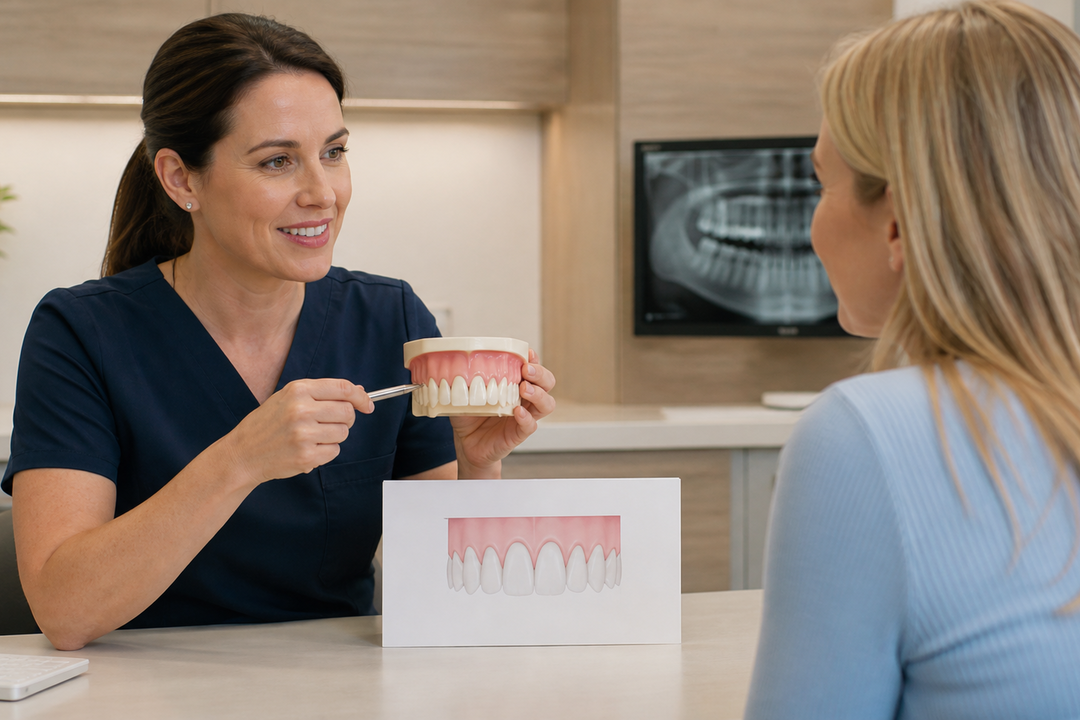
Regular check-ups allow our team to monitor your gum health and catch potential issues before they become painful or expensive to treat. We can provide a tailored hygiene plan that balances your interest in natural methods with the clinical requirements for long-term stability.
Signs Your Gingivitis May Be Progressing
Be aware of signs that home care alone is not sufficient. These include persistent bad breath (halitosis) that doesn't go away with cleaning, gums that are pulling away from the teeth (recession), or teeth that feel loose. These symptoms suggest that gingivitis may have progressed to periodontitis, which requires urgent professional intervention.
Professional Plaque Removal vs. At-Home Care
Think of home care as daily maintenance and professional cleaning as a "deep reset". We use ultrasonic tools and specialized instruments to reach deep beneath the gum line, ensuring that every trace of bacterial biofilm and tartar is removed. This provides a clean slate for your home care routine to be truly effective.

Next Steps for Your Oral Health
Managing gum health is a journey that combines the best of daily habits and professional guidance. Whether you choose to incorporate oil pulling as a natural supplement or rely on clinical mouthwashes for targeted care, the most important factor is consistency and the mechanical removal of plaque. By understanding the evidence behind these methods, you can make choices that truly support your long-term dental well-being.
If you have concerns about gum inflammation or would like to discuss how to optimize your home care routine, our experienced team is here to assist. For a comprehensive assessment and a personalised care plan, please contact our dental team at Pullenvale Dental today.


