








Waking up in the middle of the night with a mouth that feels like sandpaper is a frustratingly common experience. Known clinically as nocturnal xerostomia, dry mouth at night can do more than just disrupt your sleep; it can leave your teeth and gums vulnerable to various oral health complications. While many people dismiss it as a minor annoyance, consistent dryness often signals that your mouth's natural protective systems are compromised.
At Pullenvale Dental, we see many patients who struggle with this condition. Understanding why your saliva production drops when the sun goes down is the first step toward finding relief. Whether it is a side effect of lifestyle habits or an indicator of a broader health issue, addressing it early is vital for maintaining a healthy smile. Our comprehensive range of dental treatment services is designed to help identify these underlying causes and provide tailored management strategies.
Key Takeaways:
- Nocturnal xerostomia is a clinical drop in saliva flow during sleep.
- Saliva is essential for buffering acids and protecting tooth enamel.
- Common causes include mouth breathing, medications, and underlying health conditions.
- Simple bedtime adjustments can significantly improve comfort and oral safety.

Understanding Nocturnal Xerostomia (Dry Mouth During Sleep)
Saliva production is governed by our body's internal clock. Naturally, our salivary flow rate decreases as we transition into sleep, which is why most people wake up with a slightly drier mouth than they have during the day. However, nocturnal xerostomia refers to a state where this reduction is so significant that it causes discomfort or physical changes to the oral tissues.
Why Your Saliva Production Drops at Night
Under normal circumstances, your salivary glands continue to produce a baseline level of moisture to keep the mouth lubricated. This circadian rhythm is influenced by the autonomic nervous system. In cases of pathology, this baseline flow is either interrupted by external factors or the glands themselves are unable to meet the body's needs. This leaves the mouth without its primary lubricant for six to eight hours at a time.
The Role of Mouth Breathing and Sleep Positioning
One of the most frequent mechanical causes of dryness is mouth breathing. When you breathe through your mouth rather than your nose, the constant airflow evaporates any moisture present on the tongue and palate. This is often exacerbated by sleep positioning; sleeping on your back may cause the jaw to drop open, further drying out the oral cavity. Routine check and clean visits allow your dentist to spot the signs of chronic mouth breathing, such as specific patterns of plaque buildup or gum inflammation.
Common Causes of Dry Mouth at Bedtime
Identifying the root cause of dryness is essential for effective management. For many Australians, the culprit is often found in the medicine cabinet or within daily lifestyle choices. According to HealthDirect Australia, dry mouth is a documented side effect of over 400 different types of medications.
Medications and Their Impact on Saliva
Many common prescriptions and over-the-counter drugs interfere with the signals sent to your salivary glands. If you notice your symptoms began shortly after starting a new medication, it is important to discuss this with your GP or dentist. Never stop taking prescribed medication without professional advice, as there are often alternative treatments or supplementary products that can manage the dryness without affecting your primary health care.
Lifestyle Factors: Hydration, Diet, and Habits
Your habits during the day directly impact how your mouth feels at night. High caffeine intake and alcohol consumption (including alcohol-based mouthwashes) act as diuretics and dehydrants. Furthermore, diets high in sodium can lead to a fluid imbalance that manifests as thirst and dryness during sleep. Staying hydrated consistently throughout the day is more effective than drinking a large amount of water right before bed, which may only lead to interrupted sleep.
Underlying Health Conditions (Sleep Apnea, Diabetes, Sjogren’s)
Sometimes, dry mouth at night is a secondary symptom of a more complex condition. Sleep apnea often forces patients to breathe through their mouth, while diabetes can cause high blood sugar levels that lead to dehydration. Autoimmune conditions like Sjogren’s Syndrome specifically target the moisture-producing glands of the body. If dryness is accompanied by other symptoms like fatigue or joint pain, a broader clinical assessment may be required.

The Hidden Risks: How Dry Mouth Affects Your Teeth and Gums
Saliva is often referred to as the "bloodstream of the mouth" because of its vital role in maintenance and repair. When saliva levels are low, the environment of the mouth shifts from protective to destructive. Without the rinsing action of saliva, food particles and bacteria linger longer on tooth surfaces and along the gum line.
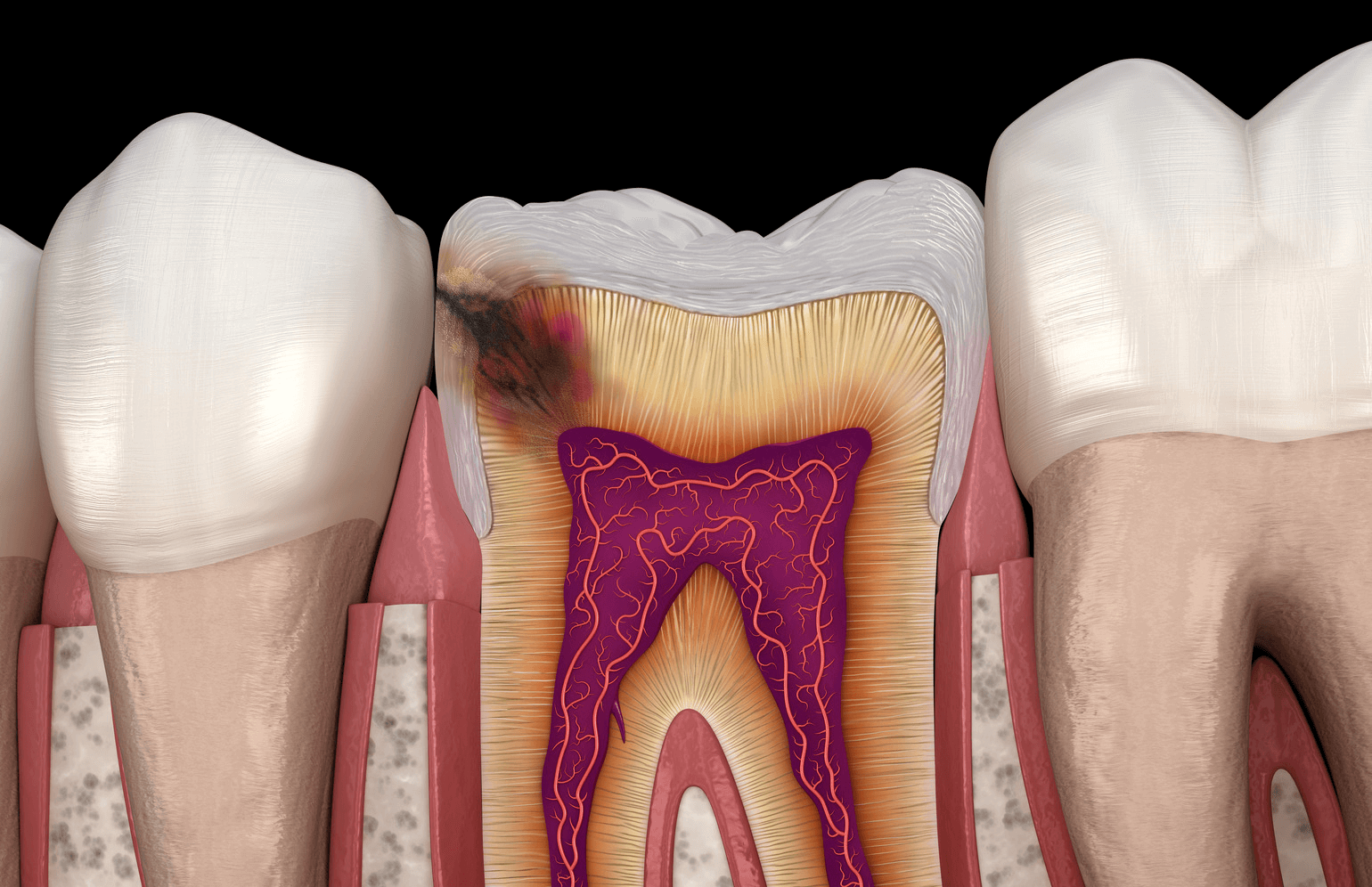
Without the pH-buffering properties of saliva, the acid produced by bacteria remains in contact with your enamel. This can lead to acid erosion and cavities developing at a significantly faster rate than in a hydrated mouth.
Saliva: Your Mouth’s Natural Defense System
Saliva contains essential minerals like calcium and phosphate, which are necessary for the process of tooth decay and remineralisation. It also contains antibodies and enzymes that inhibit the growth of harmful bacteria. When this defense system is down, the natural balance of your oral microbiome is disrupted, allowing "bad" bacteria to flourish.
Increased Risk of Tooth Decay and Gingivitis
One of the first signs of chronic dry mouth is often an increase in gum sensitivity or redness. We frequently discuss bleeding gums causes and risks with patients, and xerostomia is a major contributing factor. Without saliva to wash away plaque, the gums become irritated, leading to gingivitis and, if left untreated, more severe periodontal disease. If you notice your gums are becoming tender or recessed, it may be due to the lack of nighttime protection.

Practical Checklist: A Better Bedtime Routine for a Hydrated Mouth
Simple changes to your evening habits can make a significant difference in your comfort levels. Use the following checklist to audit your current bedtime routine and identify areas for improvement.
Management Strategies and Home Remedies
In addition to routine changes, there are several techniques and products designed to stimulate salivary flow or provide artificial lubrication. These are particularly useful for those whose dryness is caused by unavoidable factors like necessary medications.
Immediate Relief Techniques
For instant comfort when you wake up, keep a glass of water by your bed for small sips. Sugar-free mints or lozenges containing xylitol can also be very effective. Xylitol is a natural sweetener that stimulates saliva production without feeding the bacteria that cause decay. Some patients also find relief using managing sensitive teeth at home techniques, as dryness can often lead to temporary tooth sensitivity.
Environmental Adjustments
The climate inside your bedroom matters. In the dryer months or when using air conditioning, the air can become incredibly parched. Using a humidifier can provide a more hospitable environment for your respiratory system and oral cavity alike. Additionally, ensure your sleeping position supports nasal breathing; often, propping yourself up slightly with an extra pillow can prevent the tongue from falling back and obstructing the airway.
When to See a Dentist for Dry Mouth
While home care is essential, professional intervention is necessary if the condition persists. Persistent dryness can be a symptom of various medical issues that require a formal diagnosis. According to the NHS, you should seek advice if self-care measures haven't improved your symptoms after a few weeks.
Clinical Indicators for Professional Assessment:
- Persistent mouth sores or "thrush-like" white patches.
- Significant difficulty swallowing or speaking.
- A frequent burning sensation on the tongue or palate.
- Rapid onset of new cavities despite good hygiene.
- Chronic bad breath that does not improve with brushing.
A dentist can provide clinical-strength gels, sprays, or even medications that stimulate salivary glands. More importantly, they can perform a thorough screening to ensure that the lack of saliva isn't causing permanent damage to your tooth structure or supporting bone.

Frequently Asked Questions About Night-time Dry Mouth
Is it normal to have a dry mouth every night?
No, while occasional dryness happens, a nightly parched feeling usually indicates an underlying trigger. It is worth investigating if it happens more than a few times a week, as long-term dryness can lead to enamel loss.
Can certain vitamins or deficiencies cause dry mouth?
Yes, deficiencies in Vitamin B12 and Vitamin A have been linked to changes in the oral mucosa and decreased gland function. A balanced diet is a key pillar of oral health.
Does drinking water before bed help?
It provides temporary relief but does not address the underlying cause of reduced flow. It is better to focus on daytime hydration and environmental humidity to keep the tissues moist throughout the night.
What is the best mouthwash for dry mouth at night?
Look for products labeled "alcohol-free" and "moisturising." Many commercial brands contain high levels of alcohol which can actually strip away the mouth's protective lipid layer, making dryness worse.
Can dry mouth cause bad breath in the morning?
Yes. Saliva is your mouth's natural detergent. When flow stops, bacteria multiply and release volatile sulfur compounds, resulting in the characteristic smell of "morning breath."
Next Steps for Your Oral Health
Dry mouth at night is more than just a minor inconvenience; it is a signal from your body that your oral health environment is out of balance. By identifying the causes—from medication side effects to mouth breathing—and implementing practical bedtime routines, you can protect your teeth from the risks of decay and gum disease. Professional assessment remains the most reliable way to ensure your smile stays healthy and comfortable.
If you have been struggling with a parched mouth or are concerned about how it might be affecting your teeth, please reach out to contact our dental team. We can help evaluate your symptoms during a regular consultation and provide a management plan tailored to your needs. This article is general information only and does not replace personal medical advice. If symptoms persist or worsen, contact a dentist or your nearest medical service for assessment. Note: Individual results may vary.


