








Pericoronitis is a common but uncomfortable condition that occurs when the gum tissue surrounding a partially erupted wisdom tooth becomes inflamed or infected. Many patients first notice a sore gum behind molar areas or a dull, throbbing sensation in the back of the jaw. While the discomfort can be significant, understanding how to manage symptoms safely is the first step toward recovery. Related planning decisions can also involve when to see emergency dentist, depending on site constraints and project goals.
This article is general information only and does not replace personal medical advice. If symptoms persist or worsen, contact a dentist or your nearest medical service for assessment. Note: Individual results may vary. While certain pericoronitis treatment at home methods may provide temporary relief, they are rarely a permanent substitute for professional clinical intervention.
What is Pericoronitis? Understanding Wisdom Tooth Gum Swelling
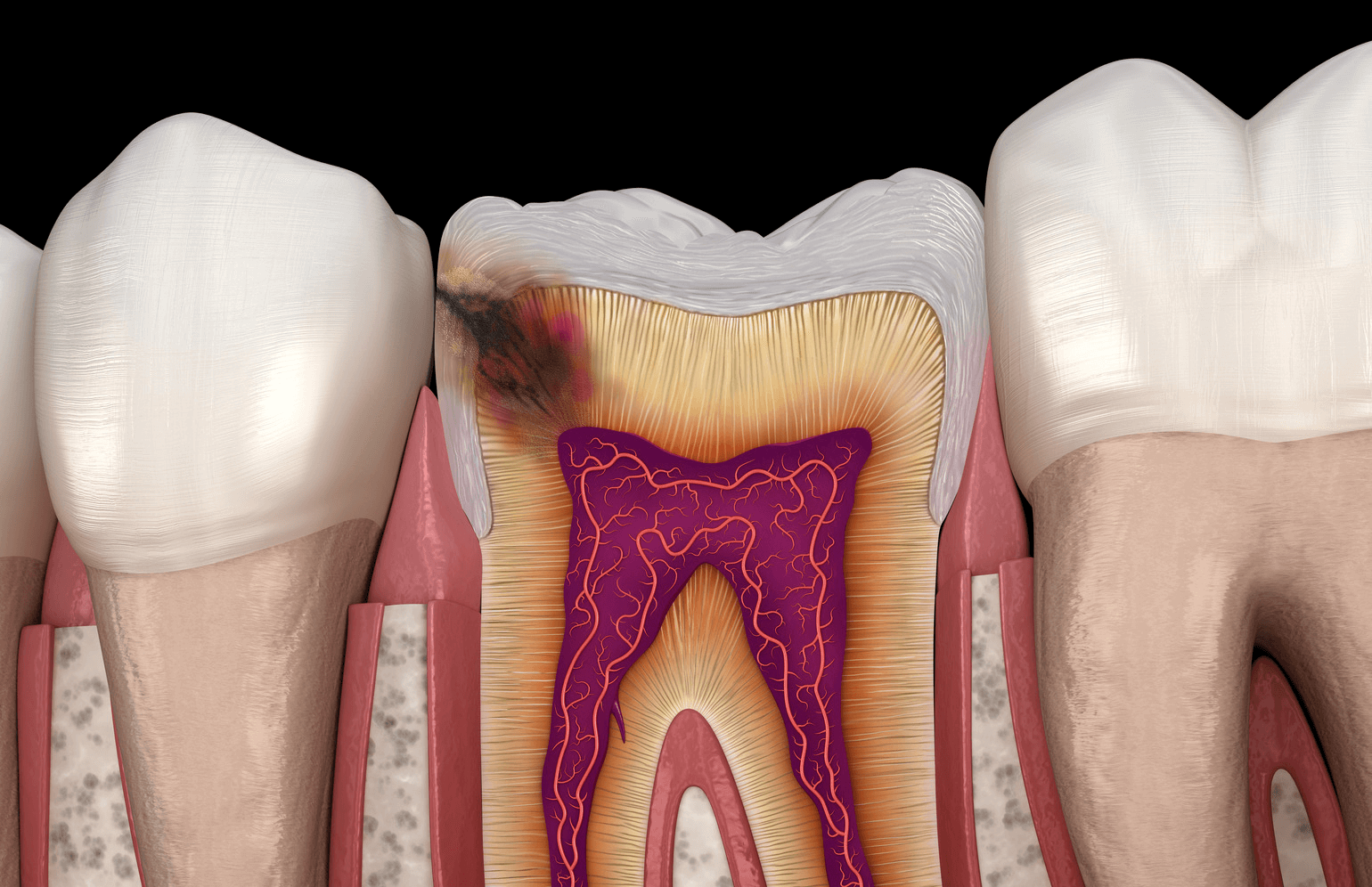
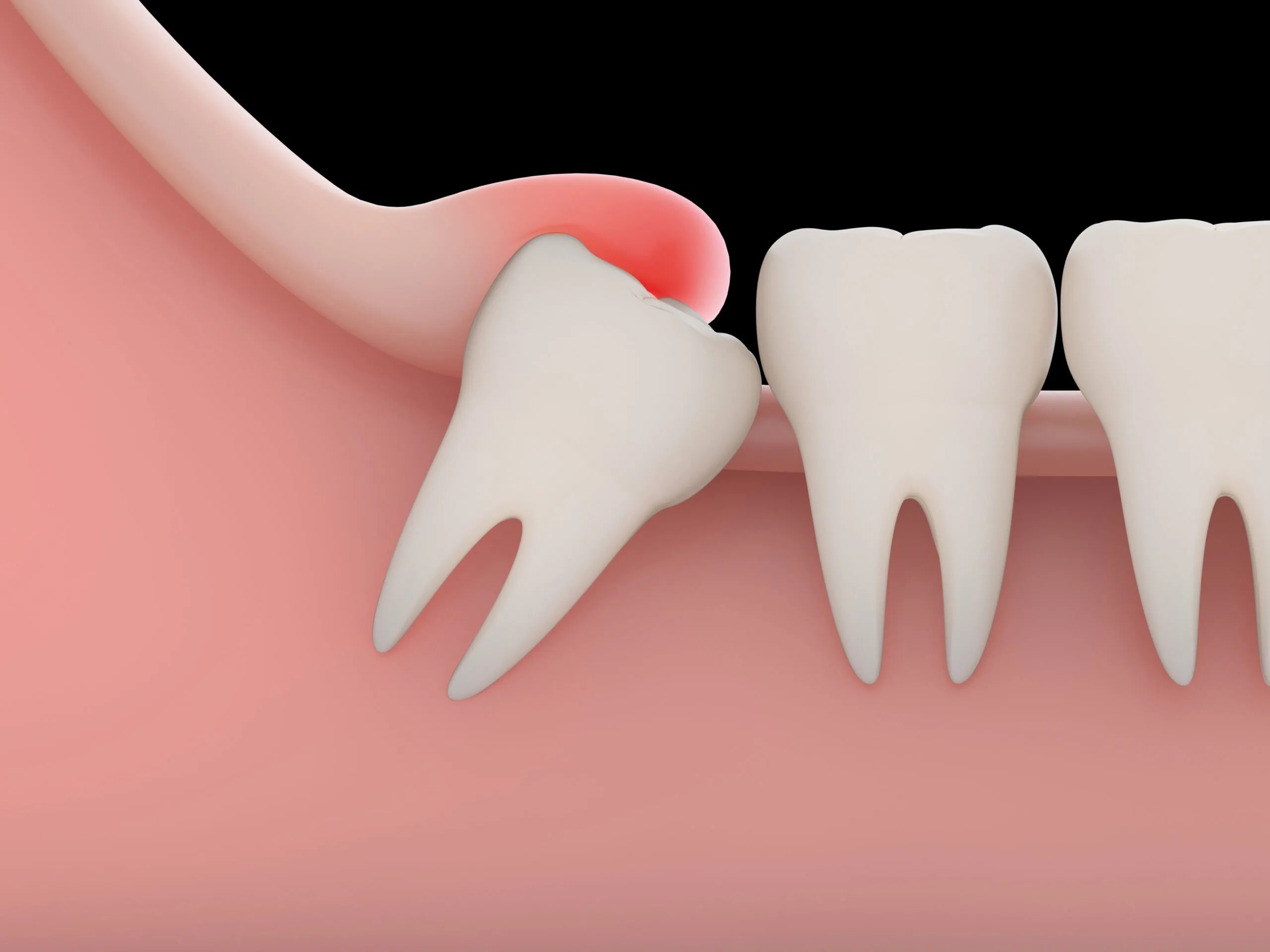
Pericoronitis specifically refers to the inflammation of the "operculum"—the gum flap over wisdom tooth structures that have only partially emerged through the gingiva. Because this flap creates a small, hard-to-reach pocket, it frequently traps food debris and bacteria. According to Healthdirect Australia, this environment is a breeding ground for plaque, often leading to localised infection and wisdom tooth gum swelling.
This condition most commonly affects the lower third molars. When the tooth is "impacted" (stuck against another tooth or bone), the gum tissue may never fully recede, creating a chronic cycle of irritation. Patients often describe the sensation as aching pain in jaw and teeth, which can radiate toward the ear or throat if the inflammation spreads. Professional wisdom tooth removal is frequently recommended to resolve the anatomical cause of the problem.
Acute vs. Chronic Pericoronitis
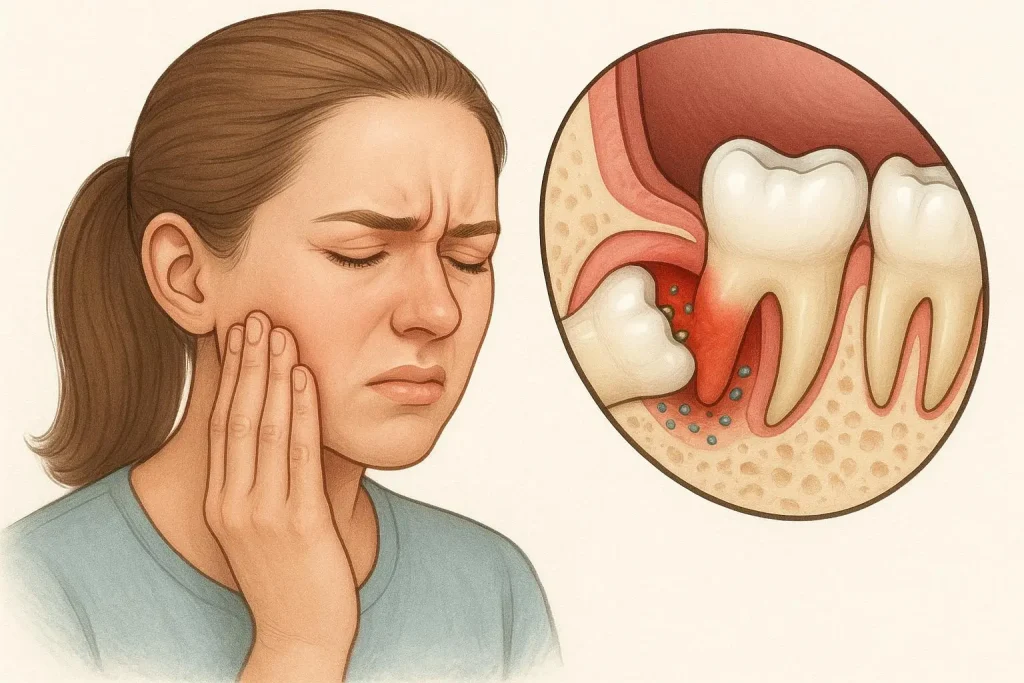
Acute cases involve sudden, sharp pain, visible swelling, and sometimes pus discharge. Chronic pericoronitis may present as a dull, recurring ache that comes and goes over several months. In either case, the irritation is usually triggered by trauma (the upper tooth biting down on the swollen lower flap) or poor hygiene in the distal area of the mouth.
Can You Treat Pericoronitis at Home?
The short answer is that you can manage the *symptoms* of pericoronitis at home, but you cannot usually treat the *source*. Because the infection is tucked deep beneath a tissue flap, surface cleaning is often insufficient to reach the bacterial colony. Home care is best viewed as a "holding pattern" to reduce inflammation and pain until you can access professional treatment services.
Attempting pericoronitis removal of debris at home requires a very gentle touch. Aggressive poking or prodding at the swollen flap can push bacteria deeper into the soft tissues, potentially leading to a more serious abscess. Patients should focus on antimicrobial rinses and maintaining a soft diet to prevent further mechanical trauma to the site.
- Relief vs. Resolution: Saltwater may kill some surface bacteria, but it won't move a tooth.
- Risk of Recurrence: Without clinical cleaning or surgical adjustment, the infection is likely to return.
- Pain Management: Over-the-counter options should be discussed with a pharmacist or GP.
5 Steps for Managing Pericoronitis Symptoms at Home
If you are experiencing mild discomfort and cannot reach a dental clinic immediately, following a structured hygiene routine may help limit the spread of infection. These steps are designed to flush out loose debris and soothe the inflamed gingiva.
The Role of Mouthwash
While saltwater is a fantastic osmotic agent that "draws out" fluid from swollen tissues, a medicated antiseptic mouthwash provides a more sustained antibacterial effect. However, chlorhexidine should generally not be used for more than two weeks consecutively, as it can cause temporary staining of the teeth or tongue.
Pericoronitis Recovery: How Long Does It Last?
A common question patients ask is: how long does pericoronitis last? Typically, an acute flare-up will persist for 5 to 7 days if managed with hygiene and salt water. However, if the wisdom tooth remains partially erupted, the condition is likely to recur every few months as food continues to get trapped.
When professional intervention is sought, the recovery timeline is often shortened. A clinical debridement (deep cleaning) performed by a dentist can often clear the primary infection within 48 hours. If pericoronitis antibiotics are prescribed, it is essential to finish the entire course, even if the pain disappears after the first two days.
Red Flags: When Pericoronitis Becomes a Dental Emergency
It is vital to recognise dental infection warning signs that indicate the bacteria have moved beyond the local gum flap and into the deeper spaces of the neck or jaw. If you experience difficulty swallowing or a restricted ability to open your mouth (a condition known as trismus), you should contact an emergency dentist immediately. These symptoms suggest that the infection is spreading through the facial planes.
Other red flags include a visible swelling of the cheek or the lymph nodes under the jawline. As noted by Better Health Channel, systemic symptoms like fever, chills, or a general feeling of being unwell (malaise) indicate that the body is struggling to contain the infection. If you notice pain in gums between teeth spreading toward the front of the mouth, the inflammation is becoming widespread.
Persistent pus discharge and an extremely foul taste that does not go away with brushing are also indications that a professional "irrigation and debridement" is necessary. Attempting to wait out these symptoms can lead to serious complications, including Ludwig’s Angina, which is a life-threatening airway obstruction caused by dental infection.
Professional Treatment Options at Pullenvale Dental
When you visit a clinic for pericoronitis, the priority is removing the physical irritants. The dentist will usually irrigate the pocket with an antibacterial solution and may perform a gentle scaling to remove calculus that has formed under the flap. In many cases, this is enough to let the area heal, though it does not prevent future flare-ups if the flap remains.
If the condition is recurrent, your dentist may discuss more permanent solutions. An operculectomy involves surgically removing the gum flap over wisdom tooth tissue to make the area easier to clean. However, the most definitive treatment is often extraction. You can find more details on how to manage these symptoms in our guide on how to stop teeth from hurting during the waiting period.
Before any surgical procedure, a clinical assessment including X-rays (OPG) is required to determine the position of the tooth and its proximity to the alveolar nerve. This ensures that the chosen treatment path is the most appropriate for your specific anatomy and oral health goals.

Frequently Asked Questions (FAQ)
Will pericoronitis go away on its own?
While the initial pain and swelling may subside with strict pericoronitis treatment at home, the underlying cause—the gum flap—remains. This means the condition is very likely to return whenever food becomes trapped again. Permanent resolution usually requires professional intervention.
What is the best mouthwash for pericoronitis?
A mouthwash containing Chlorhexidine Gluconate (0.12% to 0.2%) is typically considered the gold standard for treating gum infections. It provides a long-lasting antibacterial effect. Warm salt water is also an effective, natural alternative for short-term relief.
Are antibiotics always necessary?
Not always. If the infection is localised to the gum flap, a thorough clinical cleaning by a dentist may be sufficient. Antibiotics are generally reserved for cases where there is evidence of systemic spread, such as fever or significant facial swelling.
Can I use a water flosser for pericoronitis?
Yes, a water flosser on a very low setting can be a gentle way to irrigate the area under the flap. However, be careful not to use high pressure, as this can be painful and may irritate the tender tissue further.
Conclusion & Next Steps
Managing the symptoms of pericoronitis requires a balance of diligent home hygiene and timely professional care. While saltwater rinses and antiseptic mouthwashes can provide temporary relief from jaw pain and gum swelling, they cannot change the anatomical alignment of your wisdom teeth. Ignoring the early warning signs of infection can lead to more complex dental emergencies down the road.
If you are struggling with a sore gum behind your molar or persistent wisdom tooth discomfort, a clinical assessment is the most reliable way to prevent the problem from recurring. To discuss your symptoms or explore long-term solutions, contact Pullenvale Dental for a comprehensive examination and tailored treatment plan.


