




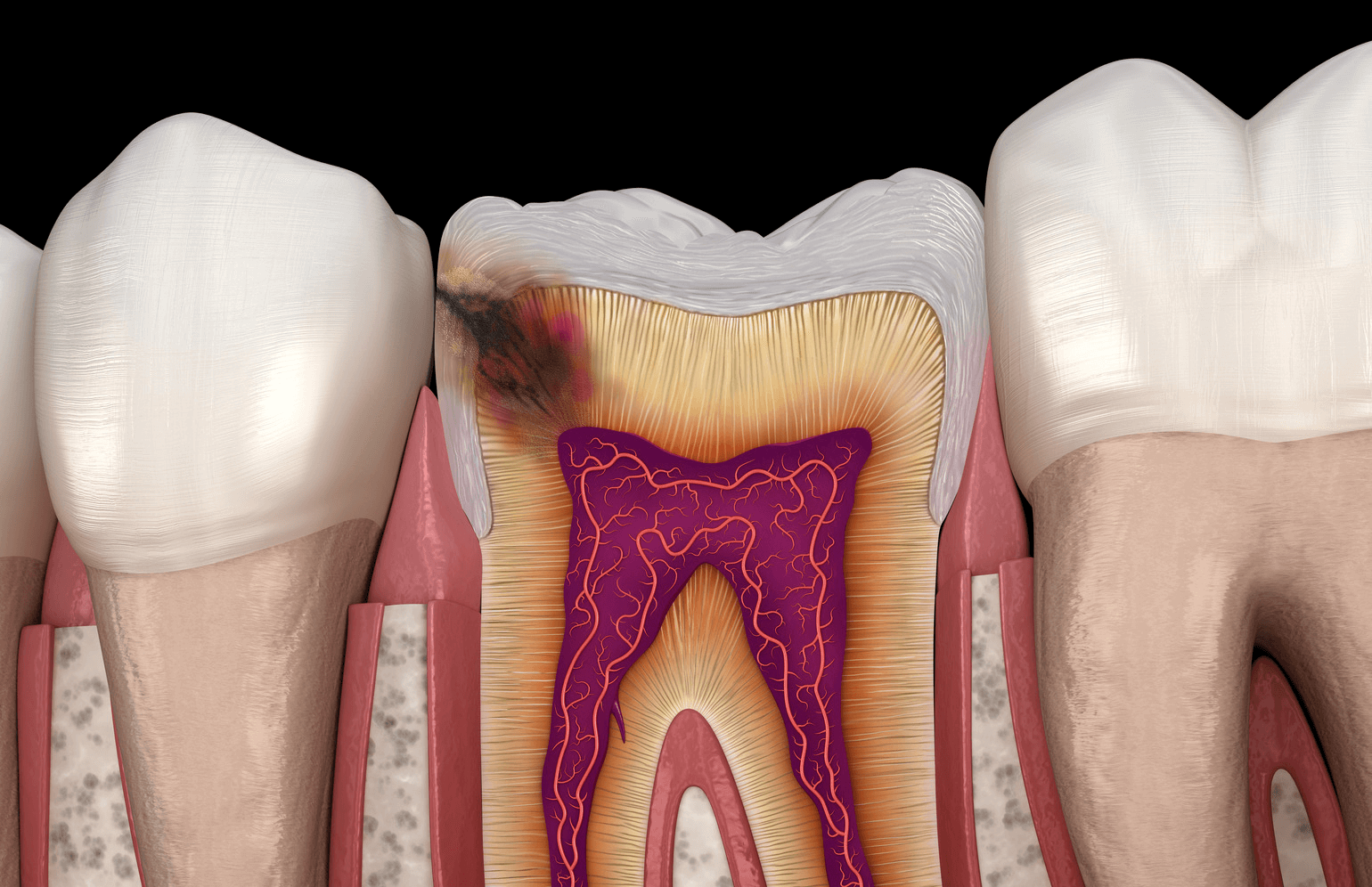




Maintaining a high standard of oral hygiene is the foundation of preventing dental issues like tooth decay and gum disease. At the core of this routine is mechanical cleaning—the physical disruption and removal of dental plaque from the surfaces of your teeth and gums. As dental technology has advanced, many patients find themselves weighing up the classic approach against modern alternatives, leading to the common debate of the electric toothbrush vs manual toothbrush.
The truth is that both options can effectively manage plaque when used with the correct technique and consistency. However, individual factors such as manual dexterity, existing dental restorations, and underlying gingival health play a significant role in determining which tool is most appropriate for your specific needs. Understanding the mechanical differences and clinical indications of each option can help you make an informed decision for your daily oral care routine.
Comparing Manual vs Electric Toothbrush: A Side-by-Side Look
When evaluating a manual vs electric toothbrush, it is helpful to look at how each device functions in a practical setting. A manual toothbrush relies entirely on your physical movement to create the sweeping or circular motions required to dislodge plaque. In contrast, an electric toothbrush uses an internal motor to generate rapid bristle movements, significantly increasing the number of brush strokes achieved per minute.
These core differences affect everything from the initial purchase price to the ongoing maintenance required. While manual brushes are highly accessible and require no charging, electric models offer advanced features like built-in timers and pressure sensors that guide the user toward a more consistent cleaning habit. While a good home routine is essential, regular professional treatment services ensure stubborn tartar that brushing misses is appropriately managed.

Mechanical Action and Plaque Removal Effectiveness
The primary advantage of an electric toothbrush lies in its mechanical action. Oscillating-rotating models feature a small, round head that spins back and forth, cupping each tooth individually. Sonic models vibrate at high frequencies to agitate fluids in the mouth, helping to flush away debris between teeth. Because the brush performs the rapid motion automatically, the user is only required to guide the brush head along the dental arch, reducing the likelihood of technique errors.
Portability, Maintenance, and Sustainability Considerations
Manual toothbrushes are inherently simple: they are lightweight, travel-friendly, and require no power source. However, they contribute to plastic waste, as the entire handle must be discarded every three months. Electric toothbrushes represent a higher initial investment and require regular charging, but they often produce less waste over time, as only the small interchangeable brush heads need replacing.
Which Toothbrush is Better for Gums and Gingivitis?
Gum inflammation (gingivitis) is primarily caused by an accumulation of plaque along the gumline. When considering which toothbrush is better for gums, the focus must remain on consistent, thorough plaque disruption without causing physical trauma to the delicate gingival tissues. Many patients brush too aggressively with manual brushes, which can lead to enamel wear and gum recession over time.
A high-quality electric toothbrush is often clinically indicated as an effective toothbrush for plaque removal, particularly for patients struggling with gum inflammation. Many modern electric models feature pressure sensors that alert you—usually via a light or a change in vibration—if you are pressing too hard. This feature is highly beneficial when using a toothbrush for gingivitis, as it helps train the user to apply the correct amount of force, preserving the gums while still achieving a thorough clean. For more information on preventing gum disease, the Healthdirect Australia guide to brushing teeth highlights the importance of gentle, twice-daily cleaning.
Benefits of electric models for gum health:
- Pressure control: Visual or tactile alerts prevent aggressive scrubbing.
- Consistent stroke rate: Maintains an optimal cleaning speed regardless of user fatigue.
- Targeted cleaning: Smaller brush heads adapt easily to the curve of the gumline.
- Built-in timers: Encourages patients to brush for the full recommended two minutes.

Choosing a Toothbrush for Braces, Dental Work, and Sensitivity
Patients with specific dental circumstances often require modified home care routines. Whether you are undergoing orthodontic treatment, managing extensive restorative work like crowns and bridges, or dealing with exposed dentine, your choice of cleaning tool is highly relevant to your overall comfort and success.
If you experience sharp sensations or an aching pain in jaw and teeth while brushing, switching your tool or technique is often a necessary first step in managing the discomfort.
Selecting a Toothbrush for Braces and Dental Work
Orthodontic hardware creates numerous traps for food particles and plaque. A dedicated toothbrush for braces and dental work must be able to navigate around brackets and wires without causing damage. Electric toothbrushes are particularly advantageous here, as the rapid oscillation or sonic vibration helps dislodge debris from hard-to-reach areas. Specialised orthodontic brush heads can also be purchased for electric handles, providing bristles uniquely shaped to clean around braces.
Finding a Toothbrush for Sensitive Teeth
For patients with enamel erosion or receding gums, brushing can become an uncomfortable chore. When looking for a toothbrush for sensitive teeth, the stiffness of the bristles is the most critical factor. When debating a soft brush vs electric brush, remember that electric toothbrushes also offer ultra-soft replacement heads. Additionally, many electric models feature a "sensitive" mode that reduces the motor's speed, offering a gentler cleaning experience.
Features to prioritise for sensitive teeth:
- Extra-soft, rounded bristle tips to prevent micro-scratches.
- Variable speed settings (if using an electric model).
- A compact brush head to avoid stretching the lips and cheeks uncomfortably.
- Compatibility with desensitising toothpaste.

Brushing Technique: Tips for Optimal Results
Regardless of whether you choose a manual or electric device, the tool is only as effective as the technique used to wield it. Poor technique can leave up to half of the plaque behind, increasing the risk of calculus formation. The recommended brushing technique Australia follows is supported by the Australian Dental Association (ADA), which emphasises a methodical approach over aggressive scrubbing.
Proper technique with fluoride toothpaste is foundational if you are wondering can you reverse tooth decay in its earliest stages. With a manual brush, hold the bristles at a 45-degree angle towards the gumline and use gentle, circular motions. With an electric brush, the technique shifts: you simply place the brush head at the 45-degree angle and slowly glide it from tooth to tooth, allowing the motor to do the sweeping action for you.
Essential oral hygiene tips:
- Brush twice a day for a minimum of two minutes each time.
- Do not rinse with water immediately after brushing; simply spit out the excess toothpaste to retain the fluoride.
- Divide your mouth into four quadrants, spending 30 seconds on each.
- Clean all surfaces: the outer, inner, and chewing surfaces of the teeth.
Your Daily Brushing Checklist for a Healthier Smile
Building a consistent routine is the most reliable way to maintain your oral health between dental visits. Following a structured sequence ensures no areas of the mouth are neglected. If you struggle with dry mouth at night, ensuring your mouth is thoroughly clean before bed is even more crucial, as reduced saliva flow leaves teeth more vulnerable to bacterial acid.
Use the following daily brushing checklist to standardise your home care routine:
When to See Your Dentist for Personalised Advice
While an excellent daily routine is vital, home care tools cannot remove calculus (tartar) once plaque has calcified. Professional intervention is necessary to manage hardened deposits and monitor the overall health of your teeth and supporting bone. Attending a routine clean and check-up allows your dentist to assess your brushing efficacy and provide targeted feedback on areas you may be missing.
You should seek a professional assessment if you notice any changes in your oral environment that do not resolve with improved brushing habits.
Warning signs that require professional evaluation:
- Gums that bleed consistently when brushing or flossing.
- Visible, hard yellow or brown deposits along the gumline.
- Persistent bad breath or a bad taste in the mouth.
- Increased sensitivity to hot, cold, or sweet foods.
- Receding gums that expose the roots of the teeth.
This article is general information only and does not replace personal medical advice. If symptoms persist or worsen, contact a dentist or your nearest medical service for assessment.
Frequently Asked Questions (FAQ)
How often should I replace my manual or electric toothbrush head?
You should replace your manual toothbrush or the head of your electric toothbrush every three to four months, or sooner if the bristles become visibly frayed and splayed. Worn bristles are significantly less effective at removing plaque and can be abrasive to the gums.
Is a soft brush vs electric brush better for receding gums?
Both can be appropriate, provided they use soft bristles. A manual brush with soft bristles allows you to control the pressure manually, while an electric brush with an extra-soft head and a pressure sensor can automatically prevent you from brushing too hard, which is highly beneficial for receding gums.
Can children use electric toothbrushes effectively?
Yes, children can use electric toothbrushes, often finding them more engaging than manual brushes. Built-in timers help them brush for the recommended duration. However, parents should supervise brushing until the child has developed sufficient manual dexterity, usually around the age of eight.
What is the most effective toothbrush for plaque removal?
Clinical studies often indicate that oscillating-rotating electric toothbrushes generally remove slightly more plaque and reduce gingivitis more effectively than standard manual toothbrushes. However, a manual toothbrush is still highly effective if used with the correct two-minute, 45-degree angle technique.
Does an electric toothbrush damage dental implants or crowns?
No, when used properly, an electric toothbrush will not damage dental implants, crowns, or veneers. In fact, the thorough cleaning action helps maintain the health of the gums surrounding these restorations, which is crucial for their long-term stability.
Conclusion
Deciding between a manual and an electric toothbrush ultimately depends on your personal preferences, budget, and specific oral health requirements. While electric toothbrushes offer technological advantages like timers, pressure sensors, and automated high-speed movements, a manual toothbrush remains a highly effective tool when paired with disciplined, proper brushing techniques. The most important factor is consistency: brushing twice daily with fluoridated toothpaste and cleaning between your teeth.
To summarise:
- Electric brushes excel in plaque removal and pressure control.
- Manual brushes offer affordability, simplicity, and portability.
- Both require proper angulation (45 degrees) and sufficient duration (two minutes).
- Soft bristles are universally recommended to protect enamel and gums.
If you are unsure which option best supports your gingival health, or if you need help refining your technique, our team is here to assist. Contact Pullenvale Dental now to arrange a consultation, and we will help you establish a home care routine tailored to your specific smile.


