


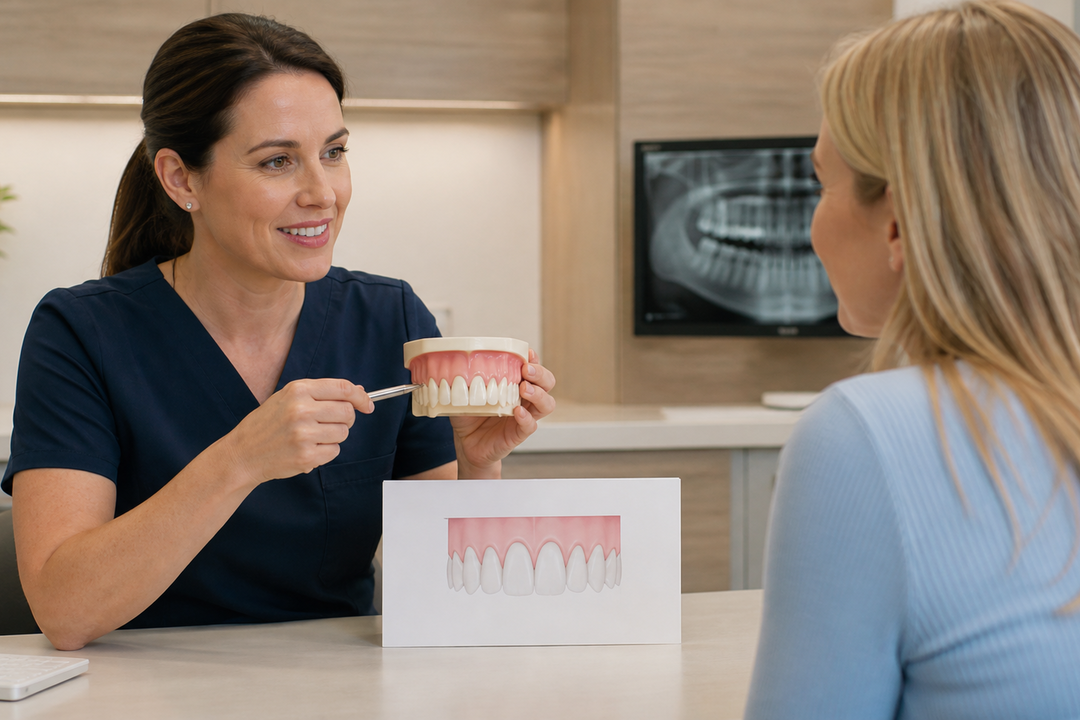







If your dentist recommends an x-ray, it is reasonable to ask what it is for and how the fee is worked out. Dental x-rays, also called dental radiographs, help dentists assess areas that are not fully visible during a visual examination. They may be used to check decay between teeth, bone support around teeth, tooth roots, wisdom teeth, trauma, or treatment planning details.
Dental x ray cost can vary across Australia because there are different image types, different clinical reasons for taking them, and different rebate arrangements. This article explains the common fee factors, when x-rays may be discussed, and the practical questions to ask before you proceed. Note: Individual results may vary.
What affects dental x ray cost?
The main fee factor is the type of image required. A small bitewing x-ray used to check between back teeth is different from a full-mouth panoramic image, and both are different from a 3D scan. The cost may also depend on whether the x-ray is taken during a routine examination, as part of urgent assessment, or before a planned procedure.
Another factor is whether your dentist can take the image in-house or needs to refer you to an imaging provider. Health fund extras cover may also change your out-of-pocket amount, depending on your policy, annual limits and item numbers. For general information on Australian dental fees, CHOICE explains why dental fees can vary between practices and treatments.

Bitewing, periapical, OPG and CBCT images
Different x-rays answer different clinical questions. A dentist will usually choose the smallest suitable image for the information needed, rather than taking images without a reason. The table below explains common image types in plain language.
When do dentists take x rays?
Dentists take x-rays when the image is expected to help with assessment, diagnosis, monitoring, or treatment planning. They are not simply a routine extra for every patient at every visit. Your dentist should consider your symptoms, risk of decay or gum disease, dental history, previous x-rays and the clinical question being asked.
For example, a patient with a new toothache, a cracked filling, swelling, wisdom tooth symptoms or a history of high decay risk may need different imaging from someone attending a routine maintenance appointment with no concerns. The Australian Dental Association’s patient resource explains common reasons dental x-rays may be used in dental care.
Dental check up x rays and recall visits
During a check-up, x-rays may be recommended if visual examination alone does not give enough information. They may also be used to monitor changes over time. At Pullenvale Dental, a clean and check-up can include a discussion about whether imaging is relevant for your current oral health, rather than assuming every appointment needs the same approach.
- Checking for decay between teeth that cannot be seen directly.
- Assessing the area around a painful tooth or old restoration.
- Reviewing bone levels when gum disease is suspected.
- Planning treatment such as fillings, root canal therapy, extractions or implants.
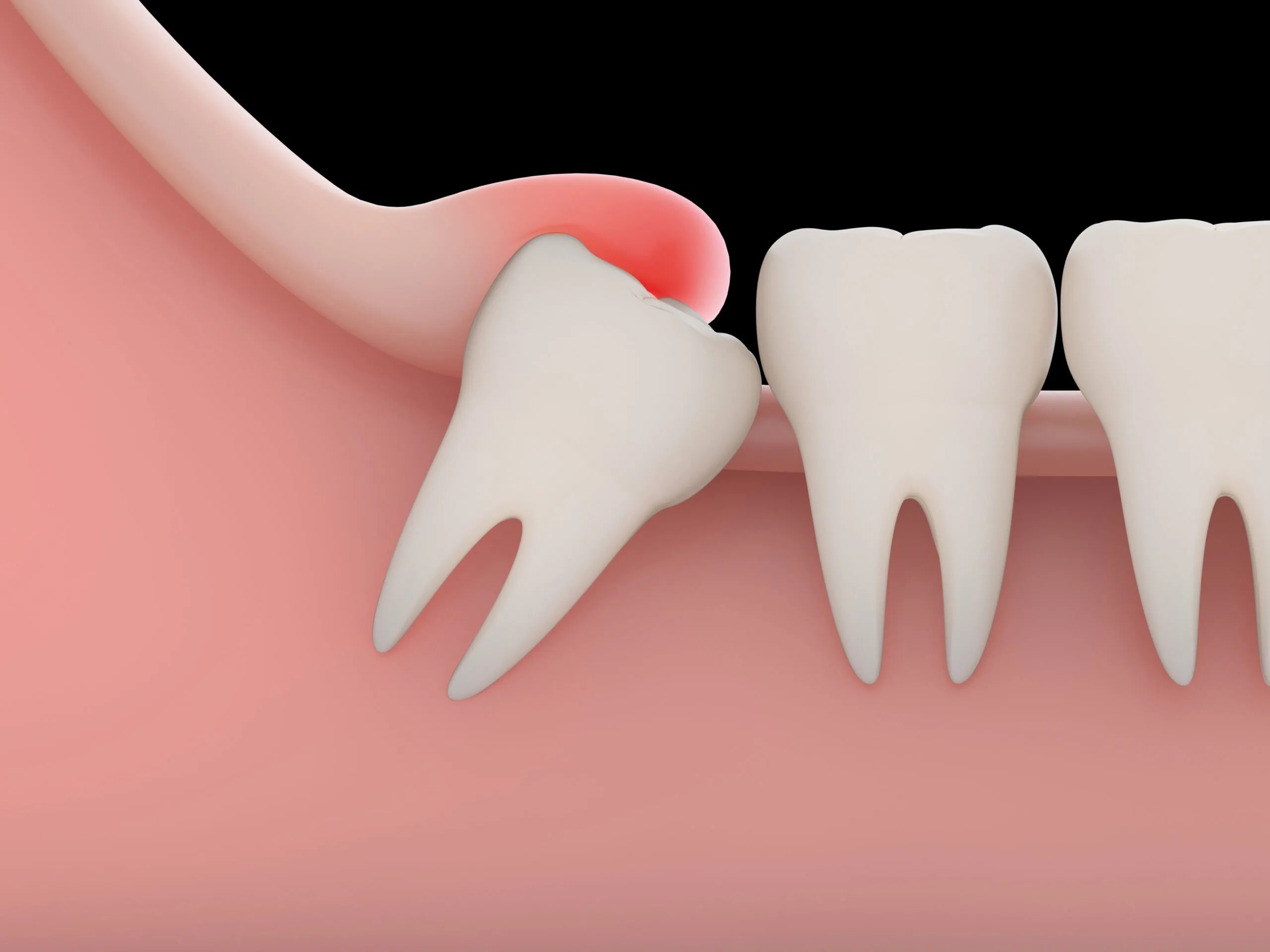
- Assessing wisdom teeth position when symptoms or treatment planning require it.

Dental x rays for tooth decay, fillings and gum disease
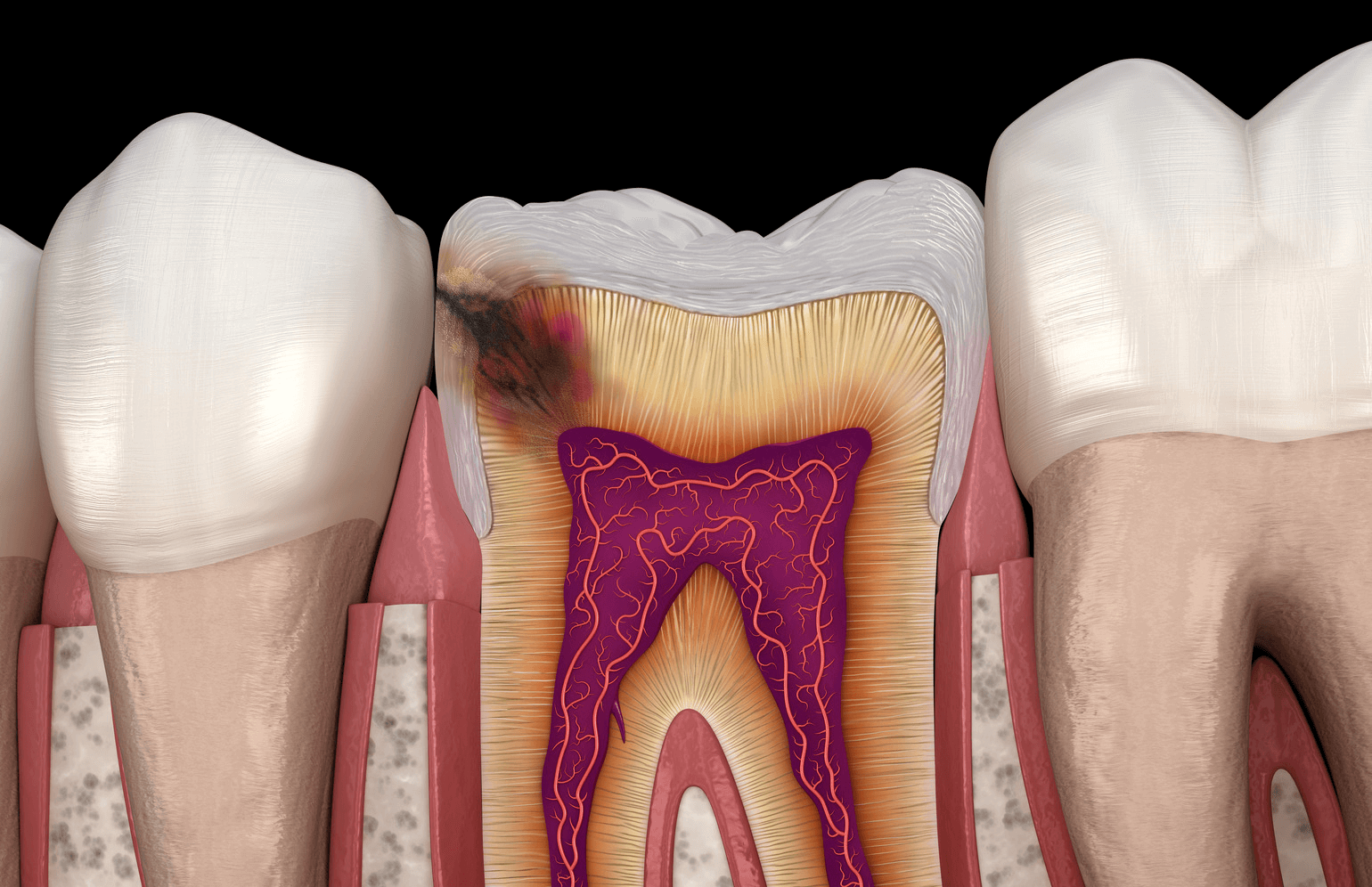
Dental x-rays for tooth decay are commonly used because early decay between teeth can be difficult to see. Bitewing images may show changes in enamel and dentine, as well as areas around existing fillings where new decay or gaps may be suspected. An x-ray does not replace clinical judgement, but it can add important information.
If decay or a damaged restoration is confirmed, your dentist may discuss dental fillings or other options based on the tooth structure and symptoms.
You may also find it helpful to read about signs a filling may need replacing and whether tooth decay can be reversed, because not every early change requires the same response.
Why symptoms alone may not tell the full story
Tooth sensitivity, pain on biting and gum discomfort can come from several causes. A cracked tooth, exposed root surface, inflamed pulp, gum pocket, old filling or decay can sometimes feel similar to a patient. X-rays can help narrow the possibilities, but your dentist will usually combine them with testing, gum measurements, bite checks and your symptom history.
- Can show: some decay patterns, bone levels, root shape, abscess-related changes, impacted teeth and restoration margins.
- May not show clearly: every crack, early soft-tissue issue, bite-related pain or the exact cause of sensitivity.
- Works best with: examination findings, gum charting, symptom history and follow-up where needed.
Dental x ray cost Australia: rebates, estimates and questions to ask
When comparing dental x ray cost Australia-wide, be careful with fixed online price lists. A simple x-ray during a check-up is not the same as a 3D scan for complex planning. Your out-of-pocket amount can also change if your health fund pays a benefit for the relevant item number.
A practical approach is to ask for an estimate before the image is taken, especially if you are concerned about costs. You can also ask whether the x-ray is likely to change the treatment plan, whether there are alternative ways to monitor the issue, and whether the image can be used for future reference if appropriate.
Practical questions before your appointment
Use this checklist when you want clearer information about dental x-ray fees and the reason for imaging.
Are dental x rays used during pregnancy or for children?
If you are pregnant, may be pregnant, breastfeeding, or arranging dental care for a child, tell the dental team before imaging. The dentist can then consider the timing, clinical need and available information. In some situations, imaging may be delayed. In other situations, an x-ray may be recommended because the diagnostic information is important for care.
For children, x-rays are usually considered in relation to age, tooth development, decay risk, symptoms and whether the image will help guide care. Clinicians consider need and exposure when recommending imaging, especially for children or patients who are pregnant.
- Tell the dentist about pregnancy or possible pregnancy before imaging.
- Ask why the x-ray is needed now, rather than later.
- For children, ask how the image relates to growth, symptoms or decay risk.
- Bring previous x-rays if another clinic has taken recent images.
When to see a dentist about x-rays or tooth symptoms
You do not need to decide on your own whether an x-ray is required. If you have symptoms, a dentist can examine the area and explain whether imaging would add useful information. X-rays are one diagnostic tool, not a treatment by themselves.
Book a dental assessment if symptoms persist, worsen, or affect eating and sleep. You can also review Pullenvale Dental’s broader dental treatment services if you are trying to understand where x-rays may fit into examination, restorative or urgent dental care.
- Persistent toothache or pain on biting.
- Facial swelling, gum swelling, fever, or a bad taste from one area.
- A broken tooth, lost filling, or sharp edge after trauma.
- Recurring bleeding gums or deep gum pockets.
- Wisdom tooth pain, limited opening, or swelling around a back tooth.
- Ongoing sensitivity that does not settle with routine home care.
This article is general information only and does not replace personal medical advice. If symptoms persist or worsen, contact a dentist or your nearest medical service for assessment.

Frequently asked questions
How much does a dental x-ray cost in Australia?
There is no single national fee for every dental x-ray. The amount can vary depending on the image type, whether it is part of a broader examination, whether referral imaging is needed, and whether your health fund pays a rebate.
Are bitewing x-rays included in a check-up?
Sometimes, but not always. Bitewing x-rays may be recommended during a check-up when they are clinically relevant, such as checking between back teeth or monitoring decay risk. Ask your clinic whether they are included or billed separately.
Do I need x-rays at every dental appointment?
No. Many patients do not need x-rays at every visit. The timing depends on your dental history, symptoms, risk level and previous findings.
Can dental x-rays find decay under a filling?
They may help detect decay around or under some restorations, but not every problem is visible on an x-ray. Dentists usually combine x-ray findings with examination, symptoms and other tests.
Will my health fund cover dental x-rays?
It depends on your extras policy, limits, waiting periods and item numbers. Ask your dental clinic for the item number and check directly with your health fund if you want an estimate of your rebate.
Are dental x-rays different from a 3D scan?
Yes. Standard dental x-rays are 2D images, while CBCT scans create 3D information for selected cases. A 3D scan is usually recommended only when that level of detail is relevant to assessment or planning.
Should I tell my dentist if I am pregnant before an x-ray?
Yes. Tell your dentist if you are pregnant or may be pregnant so they can consider the clinical need, timing and appropriate precautions for your situation.
Conclusion: Getting clear advice about dental x-rays
Dental x ray cost depends on the image type, the clinical reason for taking it, whether referral imaging is required, and your health fund arrangements. More importantly, x-rays should have a clear purpose. They are most useful when the result helps your dentist assess a concern, monitor risk, or plan treatment.
If you have tooth pain, a damaged filling, sensitivity, gum concerns, or questions about x-ray fees before a visit, contact Pullenvale Dental now to arrange advice that fits your circumstances.


