










A gummy smile is a common way to describe a smile that shows more gum tissue than a person would like. For some people, it is mainly a cosmetic preference. For others, it can be linked with gum health, tooth position, bite changes, jaw development, or the way the upper lip moves. The most useful first step is not to guess the treatment, but to understand the cause. Related planning decisions can also involve how to fix gummy smile, depending on site constraints and project goals.
This guide explains why excess gum display can happen, when it may be worth asking a dentist for an assessment, and what treatment options may be discussed depending on your circumstances. It is general information only and does not replace a personalised dental examination. Note: Individual results may vary.
What does a gummy smile mean?
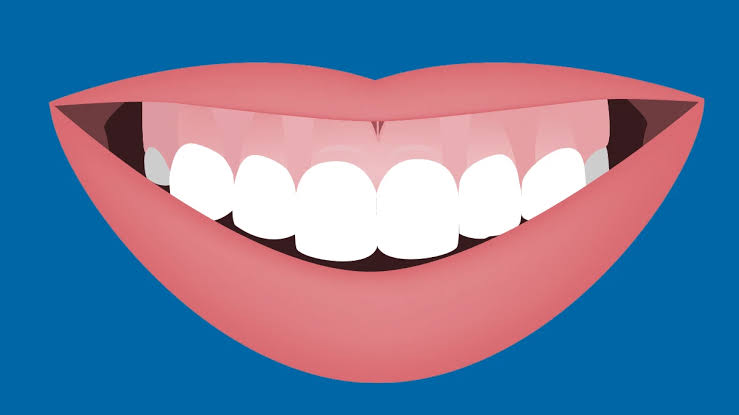
A gummy smile usually means that more of the upper gum is visible when smiling. There is no single measurement that suits everyone, because face shape, tooth size, lip movement and personal preference all affect how a smile looks.
The important point is that a gummy smile is a description, not a diagnosis. Two people can show a similar amount of gum for very different reasons. One person may have short-looking teeth because of gum position. Another may have strong upper lip movement. Another may have bite or jaw factors that need a wider dental or orthodontic review.
Common causes of excess gum display
Several factors can contribute to excess gum display. A dentist may look at more than one of these during an assessment.
Gum position around the teeth
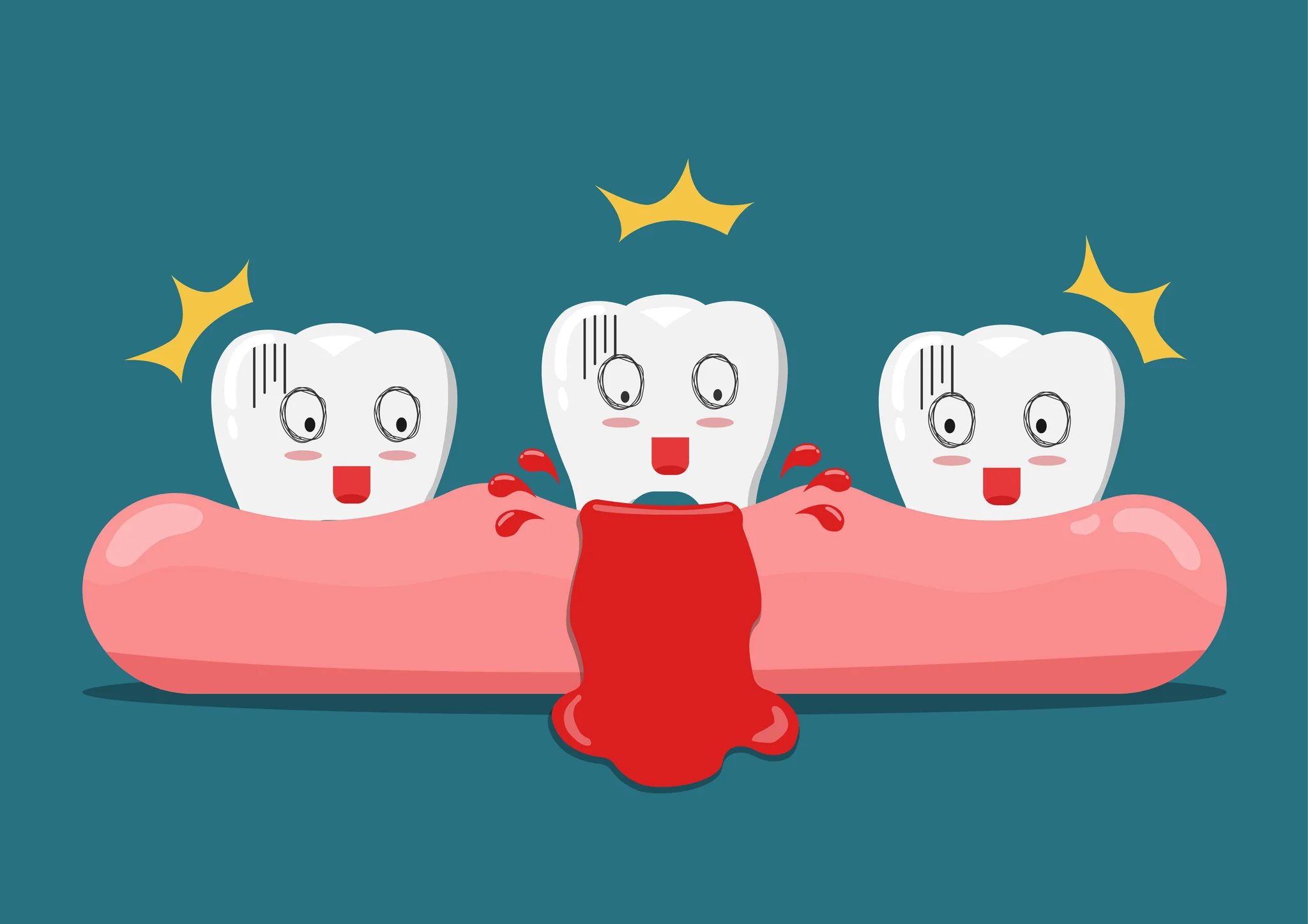
Sometimes the gum sits lower over the visible part of the teeth, making teeth appear shorter. This can happen because of natural tooth eruption patterns, gum thickness, or gum changes over time. If gum tissue is inflamed, swollen, or bleeds during brushing, the priority may be gum health rather than cosmetic planning. Pullenvale Dental’s bleeding gums guide explains why gum symptoms should not be ignored.
Tooth size, tooth wear and eruption
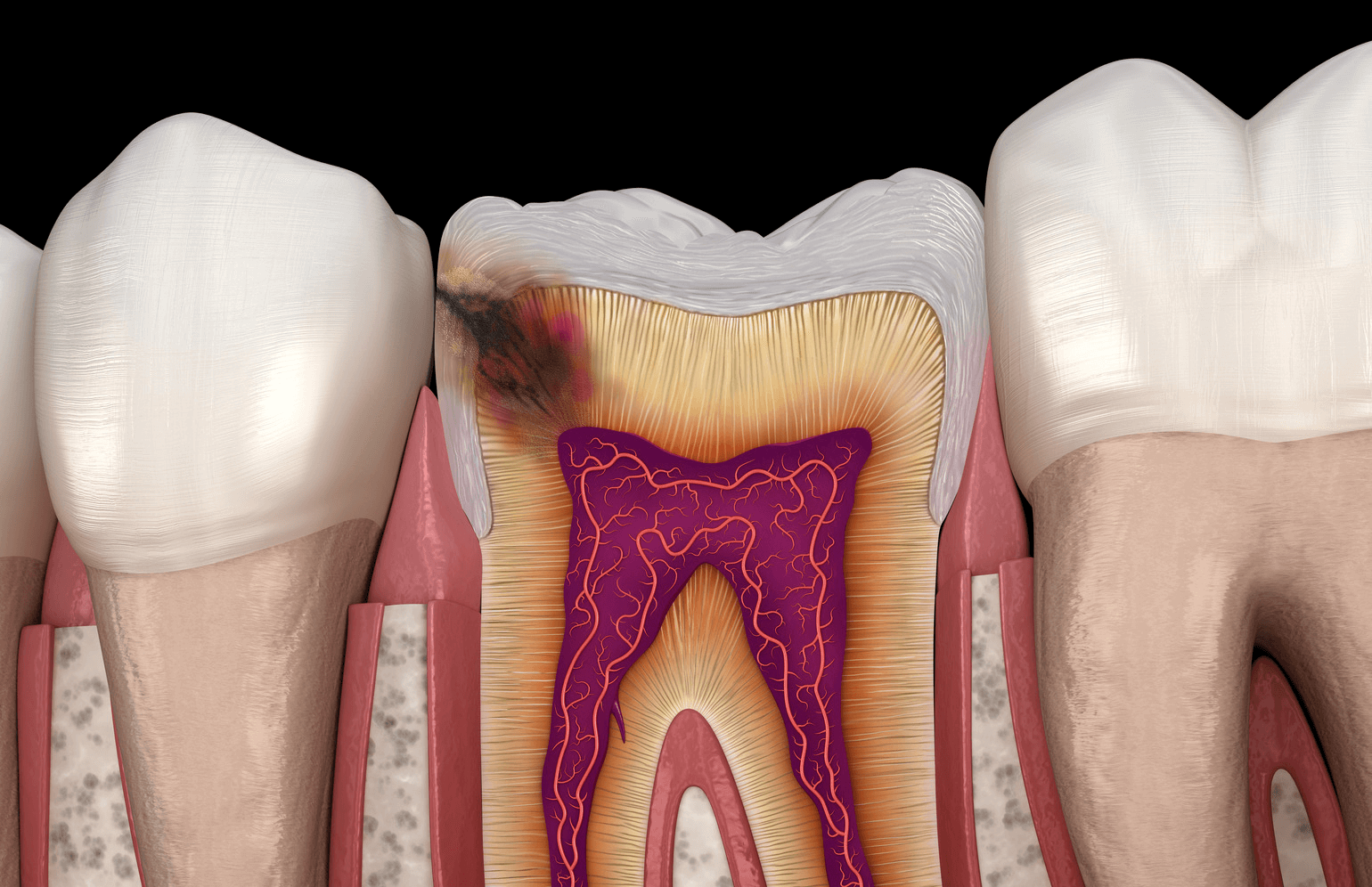
Teeth can look shorter if they have worn down, if they erupted in a way that left more gum showing, or if gum covers part of the natural tooth surface. In these cases, the discussion may include tooth proportions, bite forces and whether restorative or cosmetic planning is appropriate.
Upper lip movement
Some people naturally lift the upper lip higher when smiling. This may reveal more gum even when the teeth and gums are healthy. Lip movement can be part of the assessment, especially if the gum display changes noticeably between a relaxed smile and a broad smile.
Bite and jaw development
In some cases, a gummy smile can relate to the position of the upper jaw, tooth eruption, or the bite. This is why a dentist may discuss an orthodontic assessment or referral if the concern is more than gum position alone. Related orthodontic planning is discussed in Pullenvale Dental’s orthodontic smile makeover guide.
Gum irritation or swelling
Gum swelling can make the gum line look heavier or uneven. This may be linked with plaque, brushing technique, some medical factors, or irritation around dental work. If gums are tender, swollen, bleeding, or changing colour, an oral health review should come before cosmetic decisions.
Cosmetic preference or dental concern?
Wanting to understand a gummy smile does not mean something is wrong. Many people simply want to know their options. However, some signs suggest it is worth arranging a dental review rather than focusing only on appearance.
What a dentist may check during an assessment
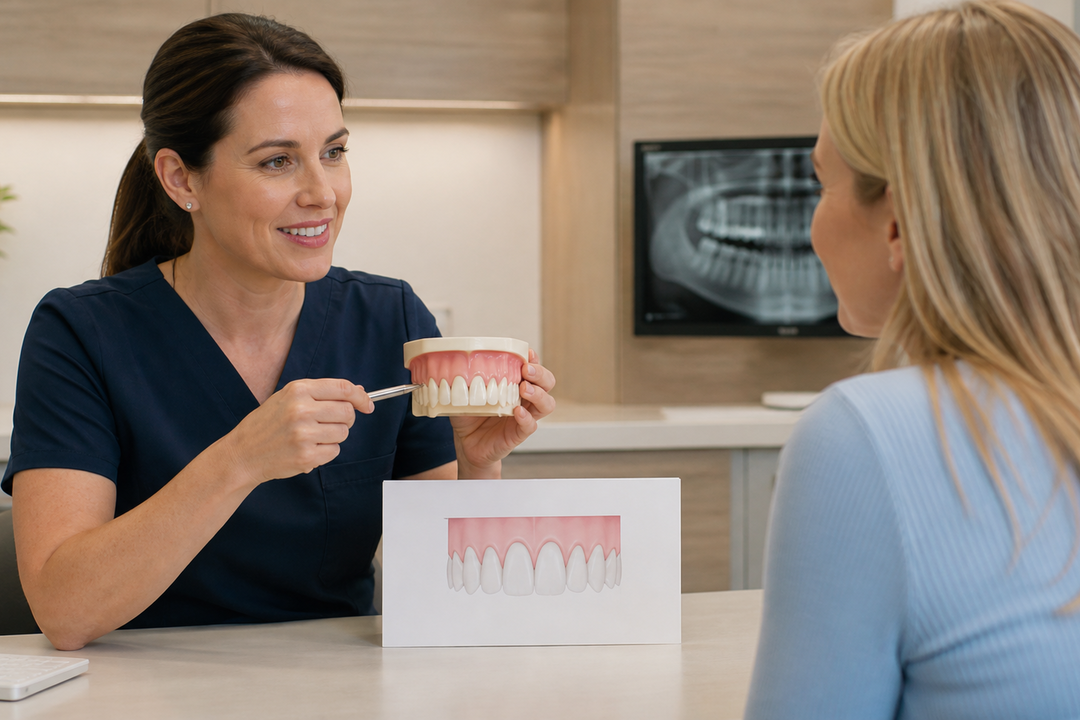
A dental assessment for gummy smile concerns may include looking at gum health, tooth proportions, bite, smile line, lip movement and the way teeth meet. Your dentist may also ask about dental history, previous orthodontic treatment, medical history and whether the concern has changed over time.
A routine dental check-up can help identify whether gum health, tooth wear, bite changes or existing dental work should be considered before any cosmetic decision. If x-rays, photos or referral are needed, your dentist can explain why before proceeding.
Treatment options you may be able to discuss
There is no one-size-fits-all gummy smile treatment. The right conversation depends on the cause, your oral health, your goals and the risks or limits of each option. Your dentist may discuss one or more of the following pathways, or may recommend referral if the cause sits outside general dental care.
Monitoring and oral hygiene support
If gum display is mild and there are no oral health concerns, monitoring may be reasonable. If gum swelling or bleeding is present, cleaning, home-care changes and gum-health review may come before cosmetic planning.
Orthodontic review
If tooth position, bite or jaw growth may be involved, an orthodontic review may be discussed. This does not mean orthodontic treatment is always needed. It means the cause should be assessed before choosing a cosmetic pathway.

Gum reshaping or crown lengthening discussion
When gum position is a major factor, a dentist may discuss gum reshaping or crown lengthening, or may refer to another dental professional for assessment. These options depend on gum thickness, tooth structure, bone levels and long-term maintenance needs.
Restorative or cosmetic planning
If tooth shape, size or wear contributes to the appearance, restorative or cosmetic planning may be discussed. For example, veneers at Pullenvale Dental may be relevant for some tooth-shape concerns, but veneers do not correct every cause of excess gum display. For background, read the practice guide on how veneers work.
Lip or jaw-related referral
If the main factor appears to be lip movement or jaw structure, your dentist may discuss referral for a broader opinion. Referral does not commit you to treatment. It can help you understand the cause and weigh up options with the right clinician.
Questions to ask before choosing any treatment
Before deciding on any gummy smile treatment, it can help to take a structured list of questions to your appointment.
How Pullenvale Dental can help you plan your next step
Pullenvale Dental can assess your teeth, gums and bite, then explain what may be contributing to your smile concerns. The discussion may be simple, such as checking gum health and tooth proportions, or it may involve considering whether another dental opinion is useful.
If your concern sits within a broader smile or cosmetic question, related reading on regular dental check-ups can help you understand why assessment is the starting point. From there, your dentist can help you compare practical options, including no treatment, staged care, or referral where appropriate.

What to do next if your smile shows more gum than you would like
If a gummy smile bothers you, or if you have noticed gum swelling, bleeding, tooth wear, or bite changes, consider arranging a dental assessment. Bring your questions, ask what is causing the gum display, and make sure you understand the benefits, limits and maintenance needs of any option before making a decision. You can contact Pullenvale Dental through the practice website if you would like to discuss whether a check-up is an appropriate starting point.


