


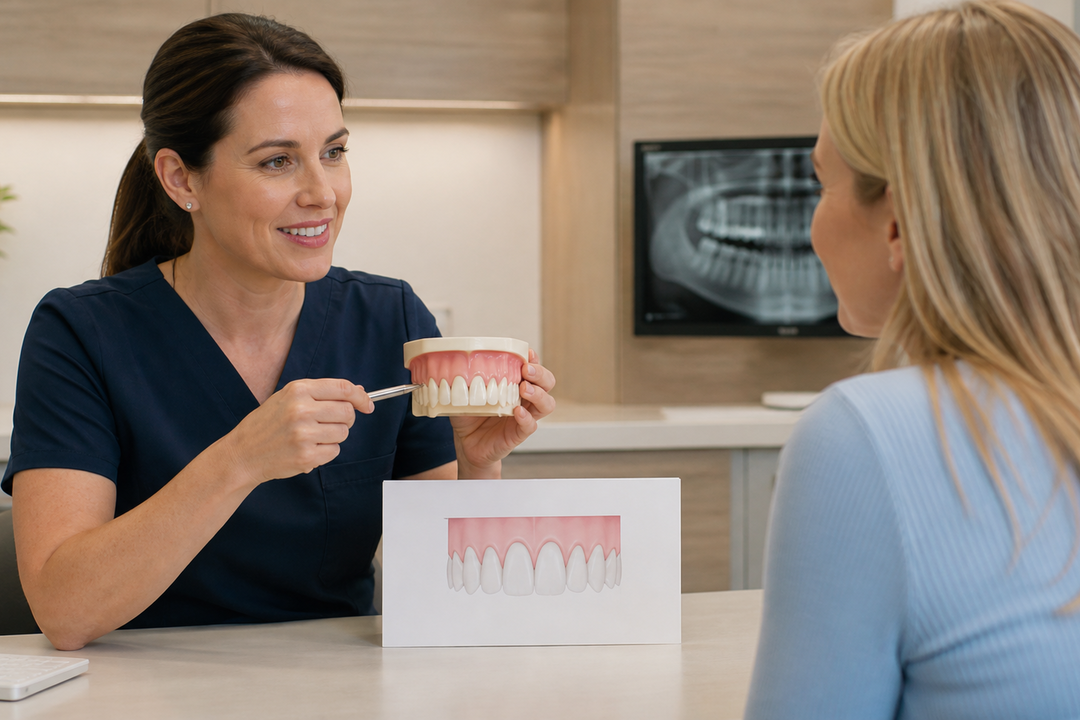






After a root canal, it is common to have questions about tenderness, eating, brushing and when the treated tooth will feel more settled. The root canal recovery time varies between people and depends on the tooth, the extent of treatment, the restoration used and your dentist’s instructions.
This guide focuses on the period after treatment. It is not a diagnosis and cannot replace advice from the dentist who treated you. If your instructions differ from general information here, follow your treating dentist’s plan.
In brief: mild tenderness or pressure may occur as the area settles, but symptoms that are worsening, severe or accompanied by swelling should be discussed with your treating dentist.
What can you expect soon after a root canal?
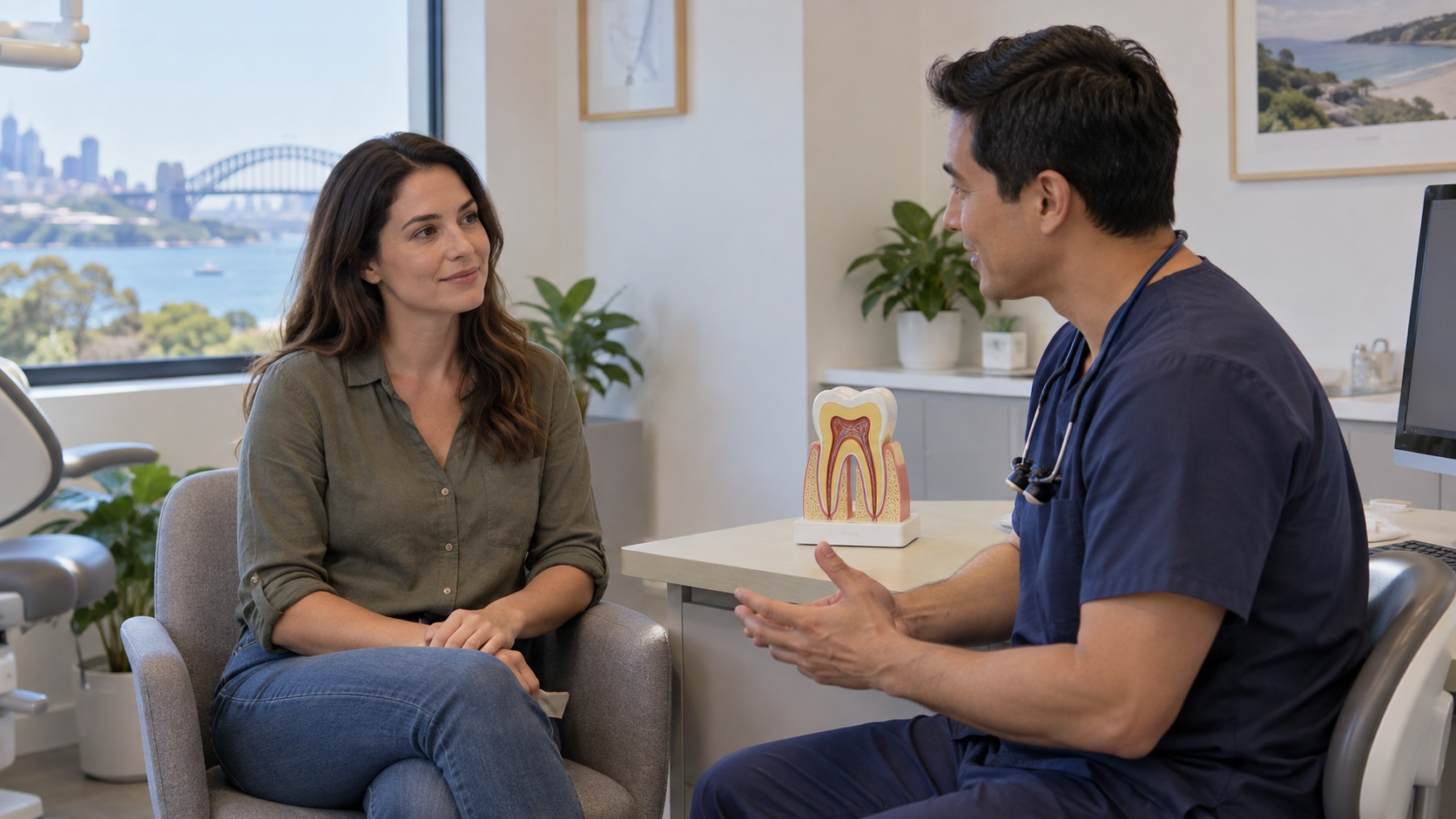
The local anaesthetic can leave your lip, cheek or tongue numb for a while. Avoid chewing until normal feeling has returned so you do not accidentally bite soft tissues or burn your mouth with hot food and drinks. Your clinician may also give instructions about medicines, eating and protecting the tooth.
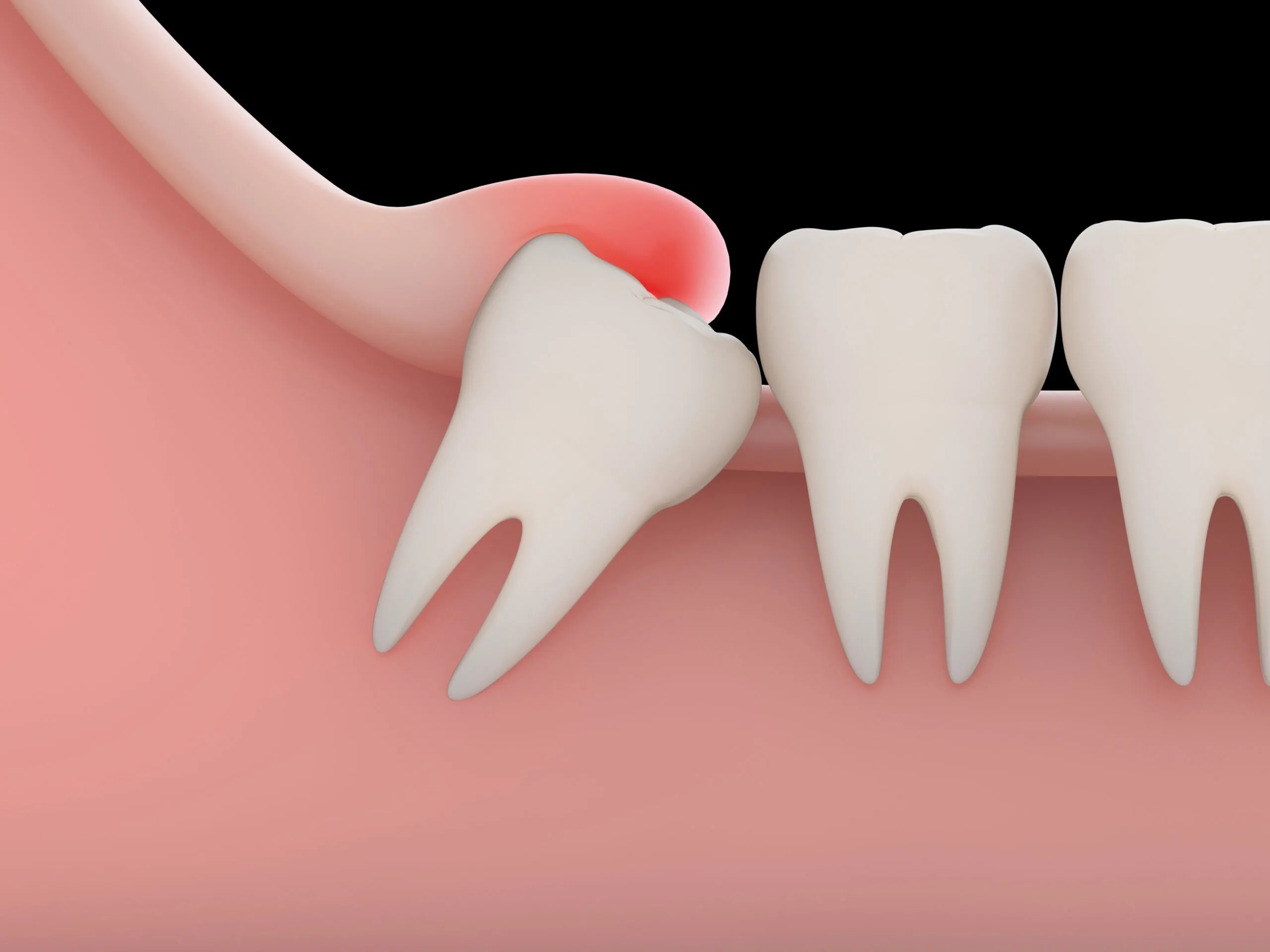
The tooth and surrounding tissues may feel tender when you bite or touch the area. This does not establish whether healing is progressing normally for you, because the experience depends on the tooth and treatment. Take medicines only as directed by your dentist or the product label, and ask a pharmacist or clinician if you are unsure whether a medicine is suitable for you.
The Better Health Channel’s root canal treatment information also emphasises protecting the tooth and following the instructions provided by the treating practice.
Root canal recovery time: a flexible guide rather than a fixed schedule

Searches for root canal recovery time often suggest a single number of days. In practice, there is no universal timetable that applies to every tooth. Some people notice little discomfort, while others need more time for tenderness to settle. A temporary filling, a planned crown, the tooth’s position and the treatment’s complexity can all affect what you notice.
StageWhat you may noticeWhat to doWhile numbReduced feeling in the mouth.Wait for sensation to return before chewing; follow the clinic’s instructions.Early recoveryTenderness or pressure around the treated tooth may occur.Choose comfortable foods, keep the area clean and use medicines only as directed.As the area settlesBiting may gradually feel more comfortable, although experiences differ.Continue the recommended care and attend follow-up appointments.Until fully restoredThe tooth may need extra protection if a temporary filling is present.Avoid hard or sticky foods on that tooth and follow restoration advice.
Rather than counting down to a promised recovery day, pay attention to the direction of your symptoms. If they are not settling, become more intense or are joined by other concerning signs, contact the treating dentist for individual assessment.
Eating and cleaning after treatment
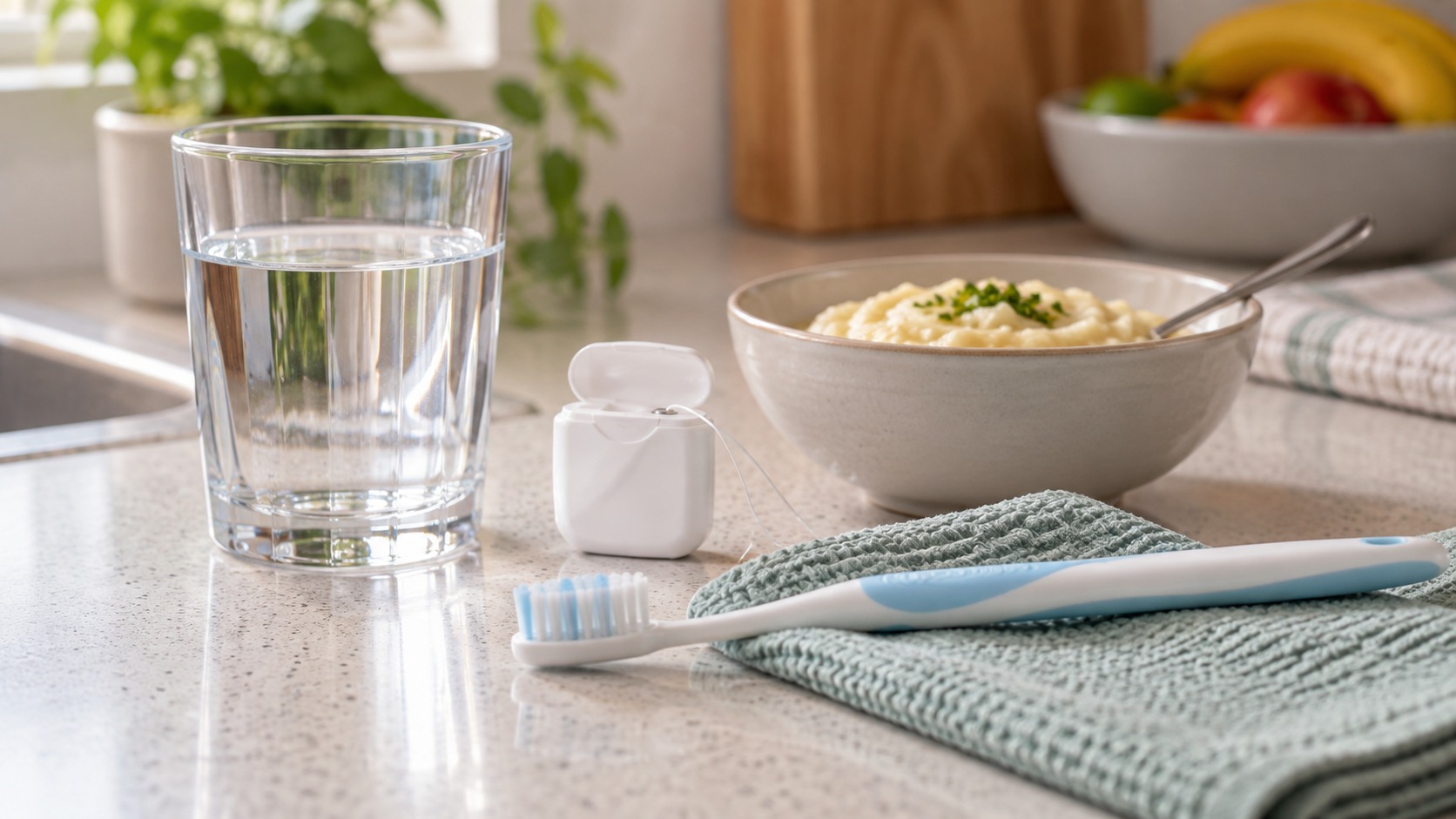
For many people, softer foods are more comfortable during the early recovery period. Choose foods that do not require forceful chewing if the tooth feels tender. Once the numbness has gone, chew on the other side if your dentist has advised you to protect the treated tooth, particularly when a temporary filling or restoration is present.
- Wait until normal feeling returns before eating.
- Prefer foods that feel comfortable rather than forcing yourself to chew on the treated side.
- Avoid very hard, crunchy or sticky foods on a tooth with a temporary restoration unless your dentist has said otherwise.
- Drink water and follow any specific dietary instructions given at your appointment.
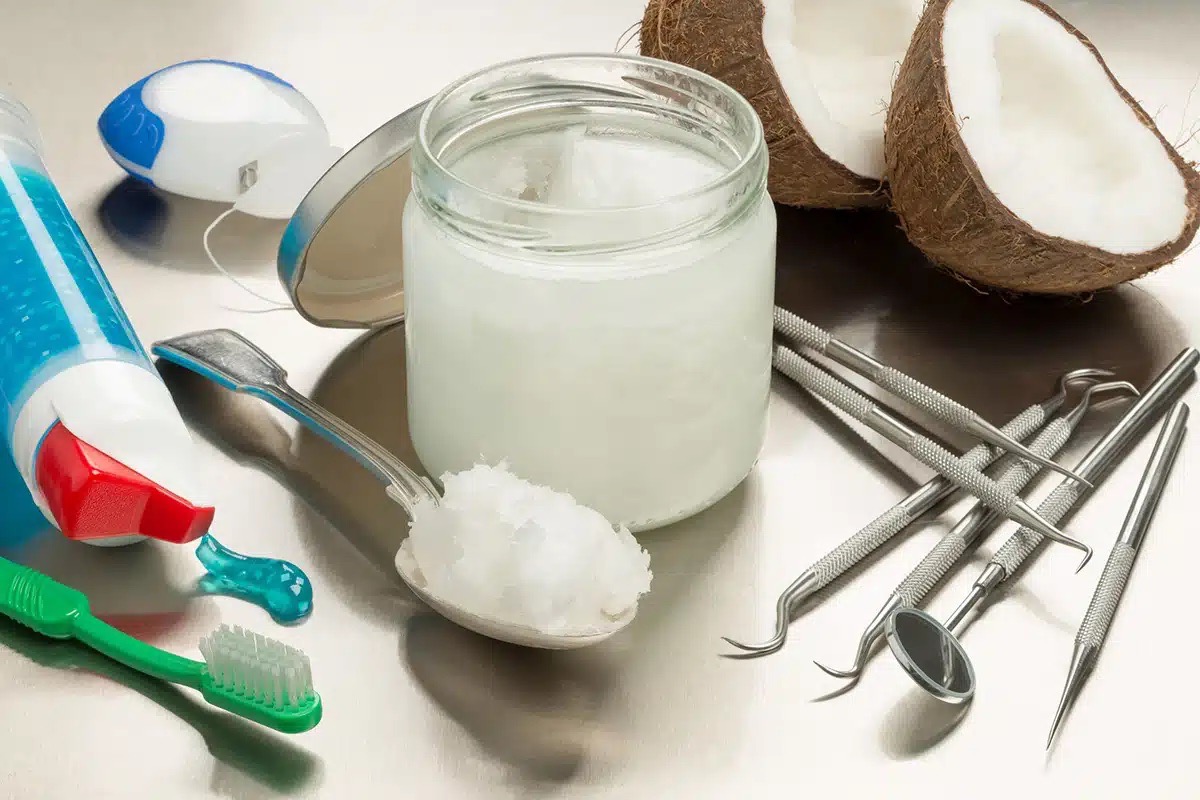
Continue brushing and cleaning your teeth unless your treating dentist has given different instructions. Use a light touch around the treated area, and take care not to dislodge a temporary filling. The Australian Government’s healthdirect dental-care information supports maintaining regular oral hygiene and seeking professional advice when dental symptoms need assessment.
For related general information, you can read Pullenvale Dental’s guide to managing sensitive teeth at home and when to see your dentist. The advice in that article is not a substitute for the instructions given for your treated tooth.
Protecting the treated tooth while it is being restored
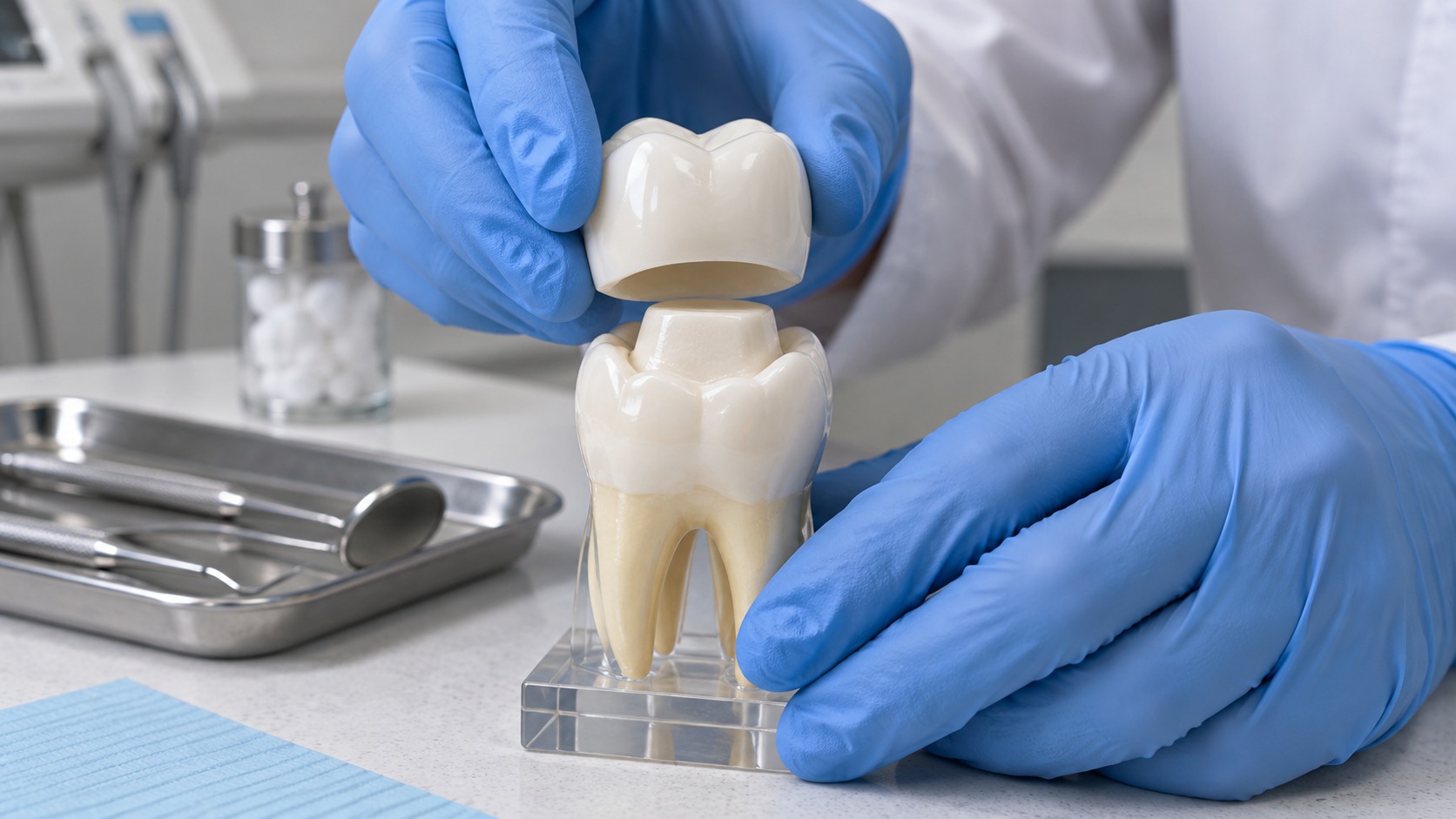
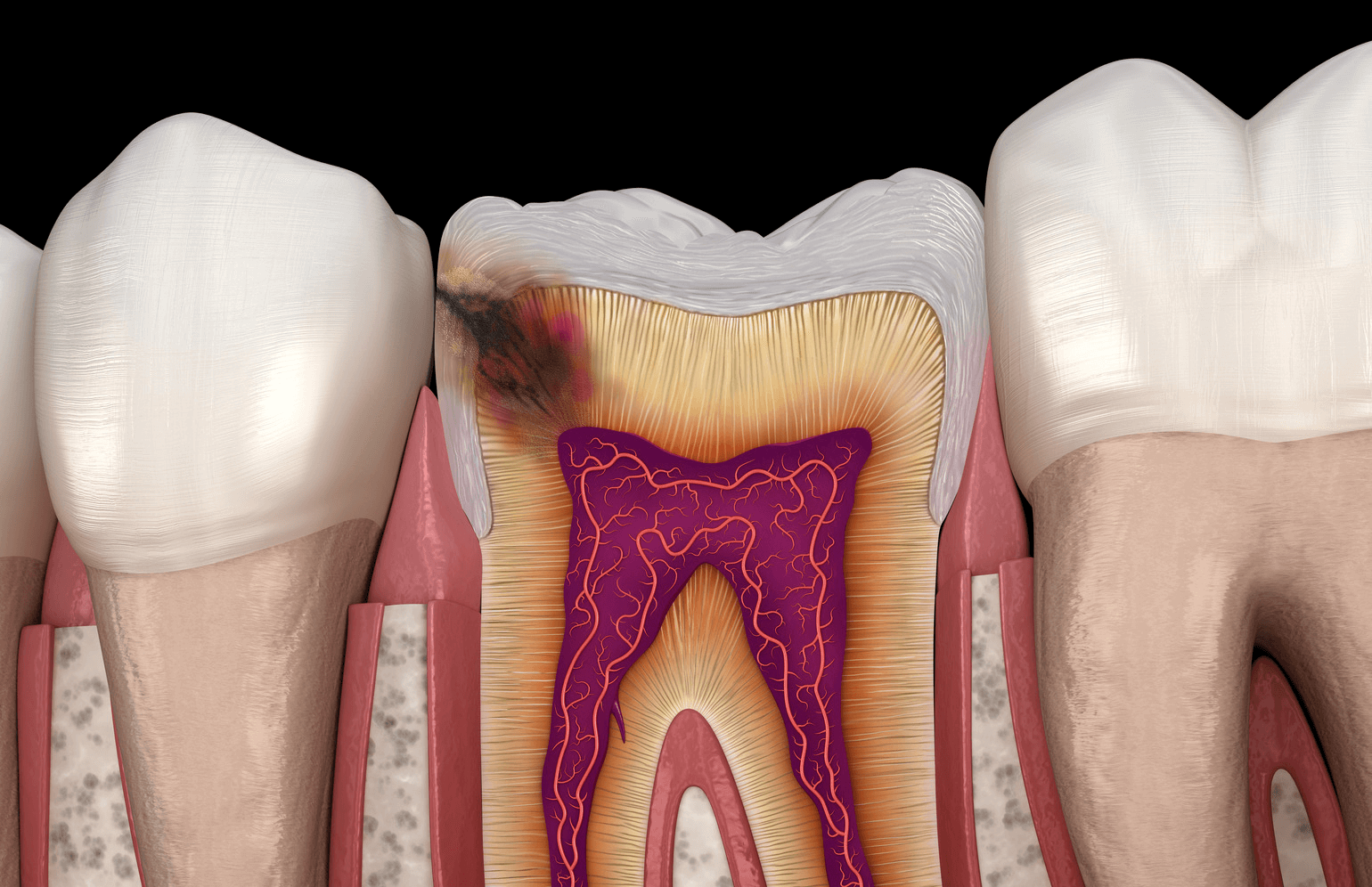
Root canal treatment cleans and seals the inside of a tooth, but the tooth may still need a suitable final restoration. Depending on your situation, your dentist may place a temporary filling first and discuss a permanent filling, onlay or crown. Do not assume that the tooth can immediately tolerate every type of chewing.
Ask when your follow-up appointment should occur and what foods or activities to avoid until the restoration is complete. Pullenvale Dental explains the treatment process on its root canal therapy service page. If a temporary filling comes out, contact the treating practice for instructions rather than trying to repair it yourself.
Keeping the follow-up plan matters because the restoration and bite need to be reviewed in the context of your individual tooth. The appropriate timing depends on your clinical situation, so your dentist is the right person to advise you.
When should you contact the treating dentist?

Contact the dentist who treated you if discomfort is severe, is increasing rather than settling, or is making normal activities difficult. Also call if your bite feels noticeably high or uneven, the temporary filling has fallen out, or you are concerned that something has changed around the tooth.
- Increasing pain, pressure or tenderness after an initial period of improvement.
- Swelling around the tooth, gum or face, or a feverish feeling.
- A bite that feels high, uncomfortable or different after the numbness has gone.
- A loose or missing temporary filling or restoration.
- Symptoms that persist or worsen beyond the instructions you were given.
Difficulty breathing or swallowing, rapidly spreading facial swelling, or feeling seriously unwell requires urgent medical attention. These symptoms should not wait for a routine dental appointment. If you are uncertain about the urgency, contact your local urgent medical service.
For context on distinguishing general dental discomfort from symptoms needing assessment, Pullenvale Dental also has an aching pain in the jaw and teeth guide. It should not be used to self-diagnose a post-treatment problem.
Post-treatment checklist
Use this checklist as a prompt, not as a replacement for your own dental instructions.
- I have read and followed the instructions from my treating dentist.
- I am waiting for normal feeling to return before chewing.
- I am choosing foods that feel comfortable and protecting the treated side as advised.
- I am brushing and cleaning gently according to the advice I was given.
- I know whether the tooth has a temporary restoration and what foods to avoid.
- I know when my follow-up or final restoration appointment is due.
- I know which symptoms should prompt me to contact the treating dentist.
Note: Individual results may vary. This article is general information only and does not replace personal medical advice. If symptoms persist or worsen, contact a dentist or your nearest medical service for assessment.
Frequently asked questions
How long does root canal recovery usually take?
There is no single recovery time for every person or tooth. Tenderness may settle at different rates, and the final restoration can add a separate follow-up stage. Ask the treating dentist what to expect for your tooth and contact them if symptoms are worsening or not settling as advised.
Is pain after a root canal normal?
Some tenderness or pressure can occur after treatment, particularly when biting. Severe or increasing pain, swelling, feverish feelings or a changed bite should be discussed with the treating dentist rather than managed by guessing.
What can I eat after a root canal?
Once numbness has gone, choose foods that are comfortable to chew. If the tooth has a temporary filling or remains vulnerable before final restoration, your dentist may advise avoiding hard or sticky foods on that side.
Can I brush and floss after a root canal?
In many cases, regular oral hygiene continues, with gentle care around the treated tooth. Follow any specific instructions from your dentist, especially if the tooth has a temporary restoration.
Do I need time off work after treatment?
That depends on the procedure, your work, how you feel and the instructions from your dentist. Plan around your appointment and allow flexibility if the area is tender, but seek advice if symptoms are more intense than expected.
When should I call the dentist after a root canal?
Call if pain is severe or increasing, swelling develops, your bite feels high, a temporary filling is lost, or symptoms are not settling as advised. Seek urgent medical care for breathing or swallowing difficulty or rapidly spreading swelling.
Conclusion: give your tooth time and follow your care plan
Root canal recovery time is individual. A comfortable recovery plan usually involves following the treating dentist’s instructions, waiting for numbness to pass before eating, keeping the area clean, protecting any temporary restoration and arranging the recommended follow-up.
If you have questions about symptoms after treatment or would like to discuss an appointment, contact Pullenvale Dental so your situation can be reviewed by a dental professional.
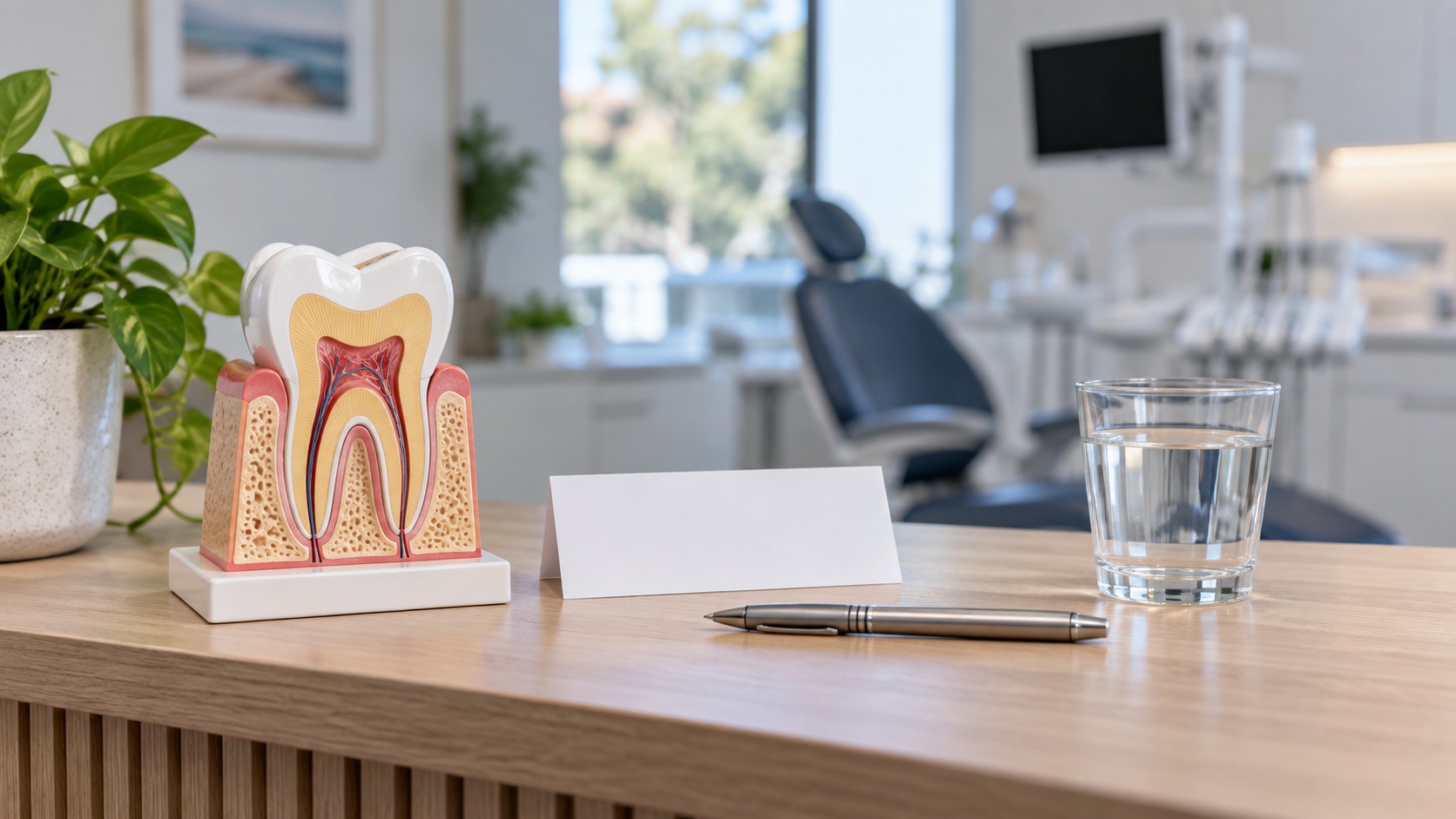
1. Thumbnail — calm, clinically neutral illustration of a treated molar with a simple recovery checklist; alt: "Educational illustration showing aftercare following root canal treatment"2. What can you expect soon after a root canal? — neutral close-up diagram of numbness and tenderness stages; alt: "Diagram showing common early sensations after root canal treatment"3. Eating and cleaning after treatment — simple food and toothbrush aftercare visual; alt: "Practical eating and oral hygiene guidance after root canal treatment"4. When should you contact the treating dentist? — warning-sign checklist without fear imagery; alt: "Warning signs to discuss with a dentist after root canal treatment"-->


