







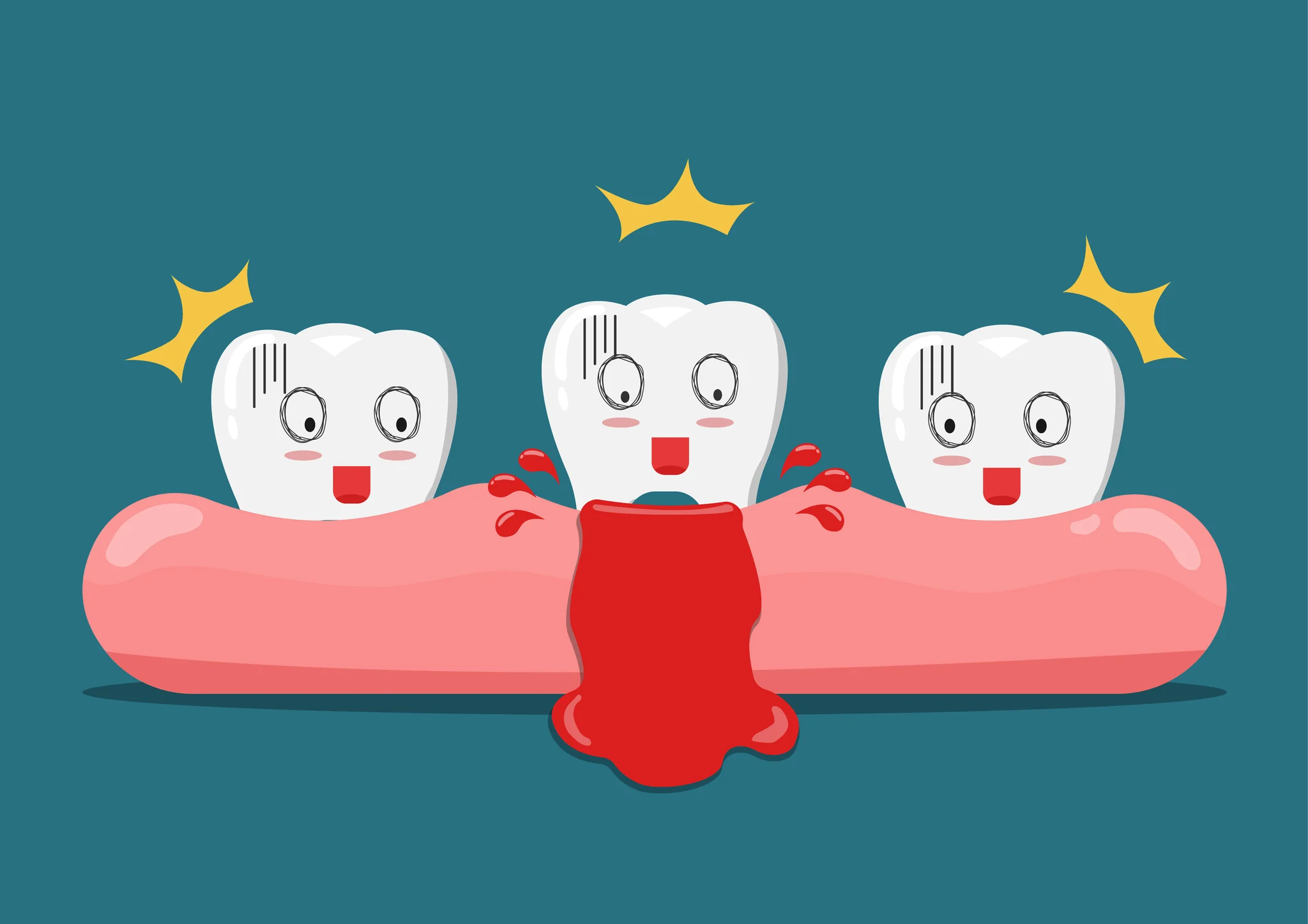


It is completely understandable to feel concerned if you notice tooth pain after root canal treatment. Even after the inside of the tooth has been treated, the surrounding tissues and ligament around the root can feel tender for a short time, particularly when you bite down or place pressure on the area. What matters most is the overall pattern: having a mildly sore tooth after root canal care that gradually settles is very different from pain that is getting stronger or is accompanied by swelling or feeling unwell.
This guide explains common post-treatment sensations, practical home care for a temporary restoration, and when to contact the dentist who treated your tooth. Because general information cannot diagnose individual symptoms, the advice provided by your treating clinician should always take priority.
Important: This article is general information only and does not replace personal medical advice. If symptoms persist or worsen, contact a dentist or your nearest medical service for assessment. Note: Individual results may vary.
What tooth pain after root canal can feel like
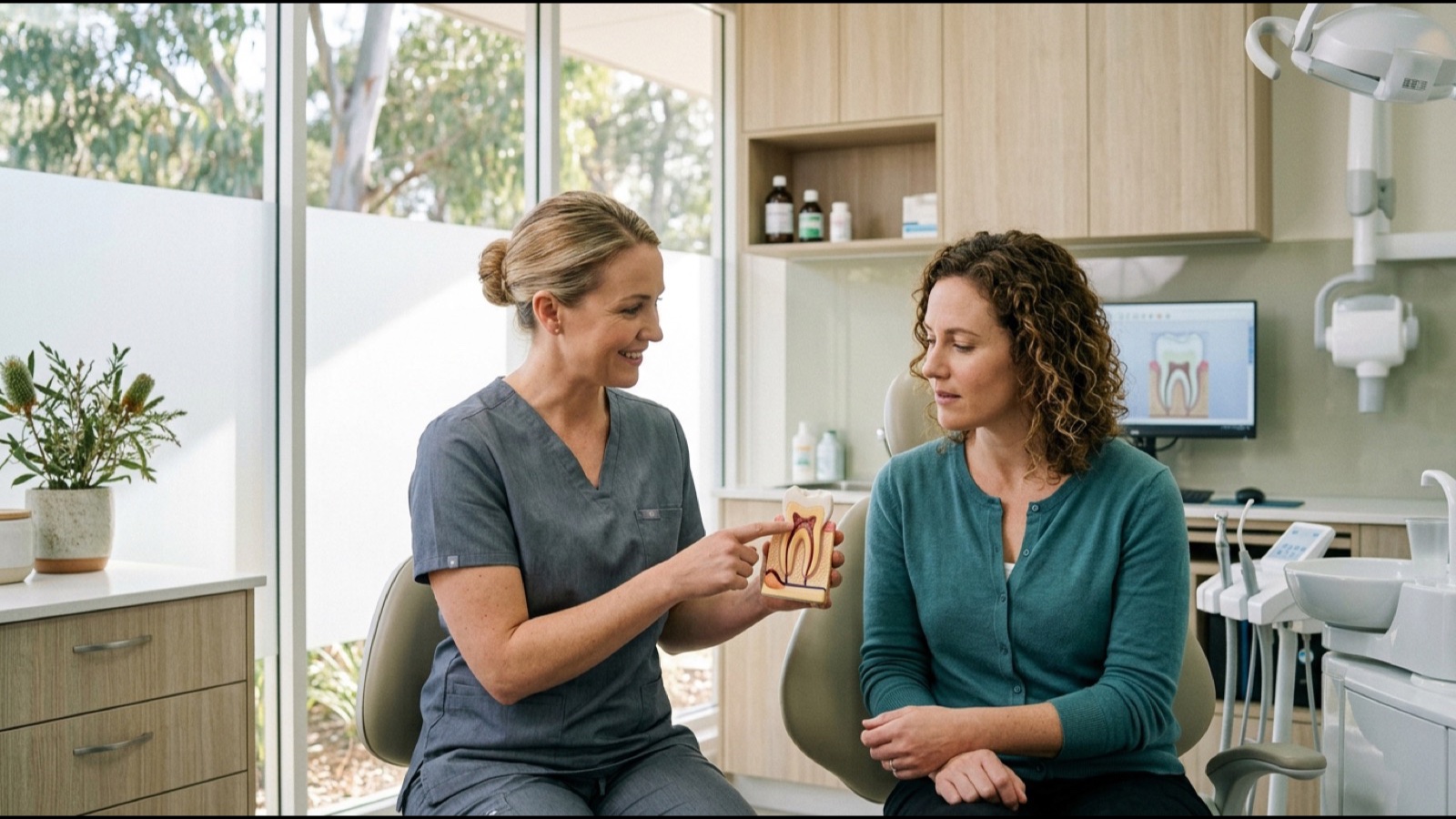
Some people notice a dull ache, mild pressure or tenderness when biting after root canal treatment. Because the supporting tissues around the root tip may have been inflamed beforehand or slightly irritated during cleaning, the tooth can feel bruised or sensitive when chewing. However, normal post-treatment tenderness does not explain every symptom, so persistent discomfort should always be checked.
A helpful way to monitor your recovery is to note whether the sensation is steadily improving, staying much the same or getting worse. Pay attention to whether it hurts mainly when biting, aches without any contact, or comes with gum swelling, fever or a change in how your temporary filling feels. Sharing these details helps your dentist decide how promptly the tooth should be reviewed.
What you noticeWhat to doMild local tenderness or pressure that is gradually settlingFollow your clinician’s aftercare instructions and monitor the trend.Tenderness mainly when chewing or closing your teethAvoid loading the tooth and tell the treating dentist, especially if the bite feels uneven.Pain that is worsening, severe, or not settling as expectedContact the treating dentist for an assessment rather than trying to diagnose the cause yourself.Swelling, fever, drainage, or feeling unwellSeek prompt dental advice. Difficulty breathing or swallowing needs urgent medical care.
For further background on what the procedure involves, see Pullenvale Dental’s root canal therapy service information, or browse the clinic’s oral health resource hub for related patient education.
Aftercare when the tooth feels tender

Good root canal aftercare starts with following the instructions given by your treating dentist, including any advice about medications. If you are considering an over-the-counter pain reliever, check the label and ask a pharmacist or doctor whether it is suitable for you—particularly if you take other medicines or manage an ongoing health condition.
Until your permanent restoration is completed or reviewed, take extra care with the treated tooth. A temporary filling after root canal treatment protects the access opening between visits, so it needs shielding from hard, sticky or very chewy foods. Continue cleaning your mouth gently rather than stopping oral hygiene altogether. Pullenvale Dental’s guide to managing sensitive teeth at home offers general comfort-care context, though your dentist’s specific instructions for your treated tooth always come first.
- Choose softer foods and chew on the other side of your mouth if the area feels tender.
- Avoid biting down on hard objects or using the treated tooth to open packaging.
- Brush gently around the tooth and clean between your teeth as advised by your dentist.
- Let the clinic know if the temporary filling feels loose, comes out, or suddenly feels too high when you bite together.
Even a slightly uneven bite can make a treated tooth feel noticeably more tender each time your teeth close together. Never attempt to file or adjust a filling yourself—contact the treating practice and describe what you are feeling so they can check it safely.
When to seek professional care

Contact your treating dentist promptly if pain after root canal treatment is becoming stronger rather than settling, if the tooth remains significantly sore, or if you notice swelling after root canal care around the gum, face or jaw. A fever, feeling generally unwell, a draining spot on the gum, or a temporary restoration that has come loose are also clear reasons to ask for professional advice.
Some symptoms require urgent medical attention. If swelling is spreading quickly or affecting your breathing or swallowing, seek urgent emergency care immediately. Avoid relying on an online article to judge whether a tooth has an infection or whether treatment needs revision; a clinical examination is essential to find the cause.
For general Australian health guidance, you can also review the Australian Government’s Healthdirect service, alongside discussing post-treatment symptoms directly with the dentist who knows your clinical history.
A practical checklist before you call the dentist
Jotting down a few details beforehand can make it much easier to explain what is happening when you phone the clinic. You can work through the points below and share them with your dental team:
- I can say when the root canal appointment took place.
- I have noticed whether the pain is improving, unchanged or worsening.
- I can explain whether it hurts when biting, at rest, or with hot or cold drinks.
- I have checked for swelling, fever, drainage or feeling unwell.
- I know whether the temporary filling or crown feels loose, broken or too high.
- I can list medicines or pain relief I have taken and any relevant health conditions.
If you are unsure whether a symptom needs attention, it is always reasonable to call and ask. Your treating dentist can let you know whether a quick bite adjustment, a restoration check or a closer clinical review is appropriate.
Frequently asked questions
Is some pain after root canal treatment normal?
Mild local tenderness or pressure can occur after treatment, especially around the tooth when chewing. Because recovery varies from person to person, focus on whether the discomfort is gradually settling and whether any warning signs such as swelling or fever are present.
Why does my tooth hurt when I bite after a root canal?
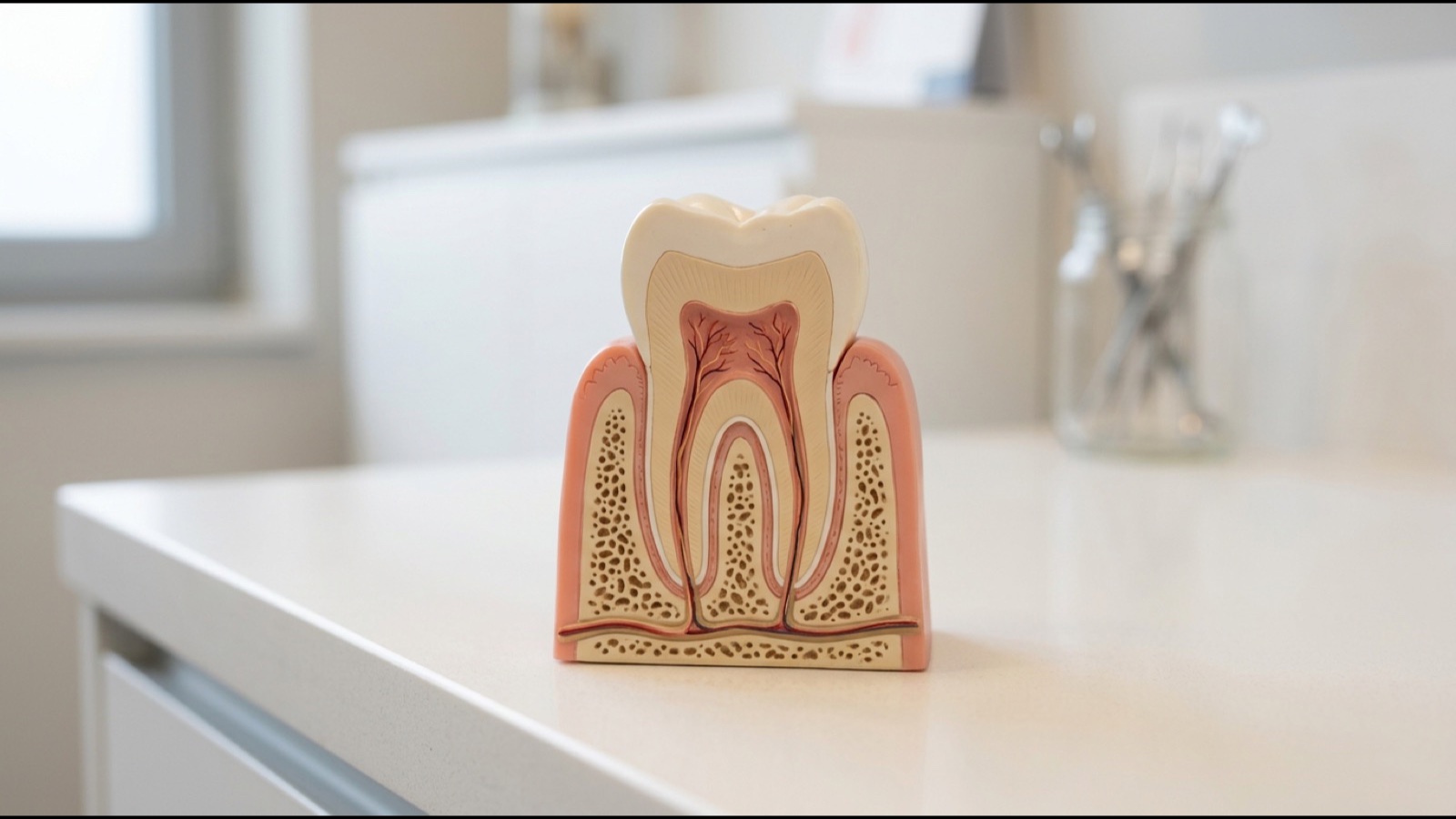
The ligament and tissues supporting the root may still be tender, or the temporary restoration may sit slightly high when your teeth meet. Avoid chewing on that side and contact your treating dentist if your bite feels uneven or the discomfort increases.
What if my temporary filling falls out?
Contact the treating practice for advice and avoid chewing on the tooth until your dentist lets you know the next step. Never use household glue or try to repair the filling yourself.
Should I wait if the pain is getting worse?
There is no fixed waiting period you need to endure if symptoms are escalating. Pain that is worsening, severe, or accompanied by swelling, fever, drainage or difficulty swallowing should be assessed promptly by a dentist or urgent medical service, depending on the severity.
Next steps for tooth pain after root canal
Tooth pain after root canal treatment can have more than one possible explanation, so the safest next step is to describe your symptom pattern to the dentist who treated you. Keep the tooth protected when eating, follow your aftercare instructions and arrange a prompt assessment if symptoms worsen or fail to settle.
If you would like to discuss a post-treatment concern with the clinic, Contact Pullenvale Dental now. This article is general information only and does not replace personal medical advice.


