








A short-lived zing or tenderness can happen after teeth whitening, particularly when teeth meet cold air, drinks or foods. This guide explains what sensitivity after whitening can feel like, what may help you stay comfortable, and when individual dental advice is appropriate.
Important: Responses vary between people and whitening products. This article provides general information and does not diagnose the cause of your symptoms.
What can sensitivity after whitening feel like?

Sensitive teeth after whitening may react briefly to cold water, ice, cool air or sweet foods. Some people notice a quick sharp “zing”, while others describe general tenderness in the front teeth. It may affect several teeth or be more noticeable in an area that was already prone to sensitivity.
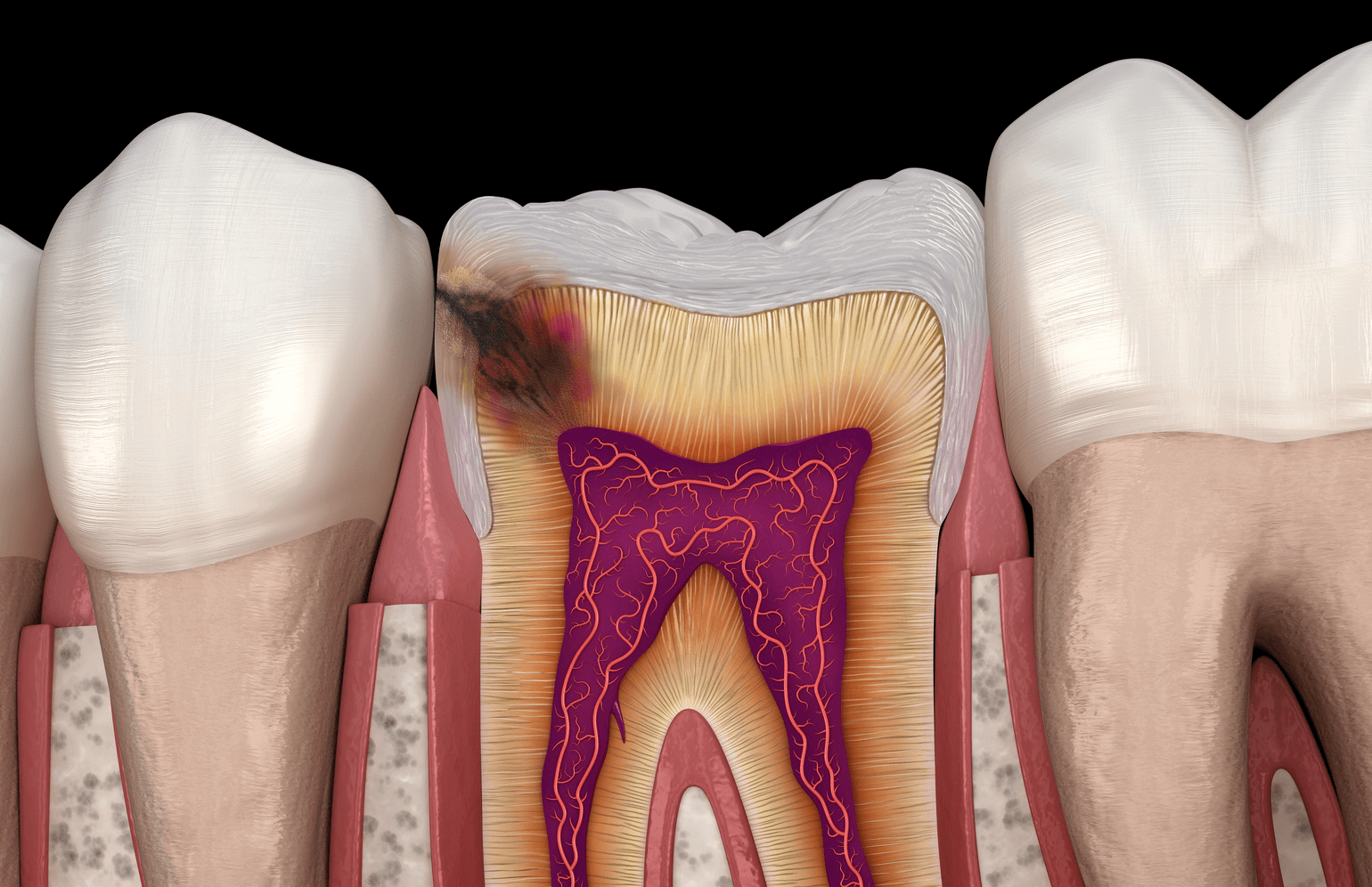
A temporary response does not, by itself, explain the underlying condition of a tooth. Existing enamel wear, gum recession, exposed root surfaces, a worn filling, decay or a crack can also make a tooth more reactive. If the symptoms do not settle or do not fit the usual pattern for you, arrange an assessment rather than continuing to whiten.
Why can whitening trigger sensitivity?
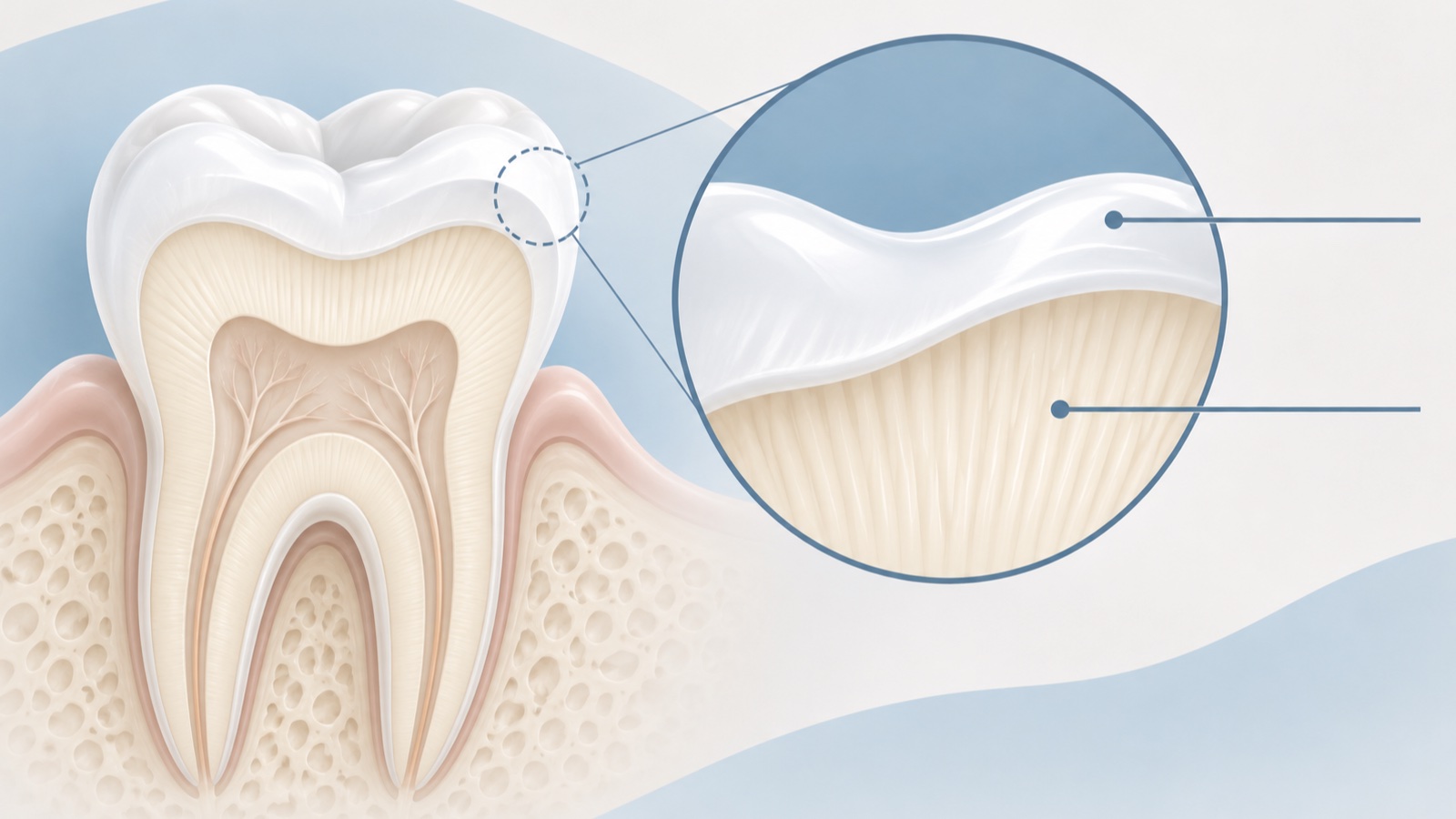
Whitening gels contain peroxide-based ingredients that break down stain molecules. During or shortly after treatment, the tooth may become more responsive to temperature and pressure. The intensity depends on factors such as the product, contact time, the condition of the teeth and gums, and your individual response.
This is one reason a dental assessment before whitening can be useful. A dentist can discuss whether professional teeth whitening is appropriate for your oral health and what to do if sensitivity develops.
What can be normal, and when should you seek advice?
- Brief, trigger-related zing soon after treatment: A temporary response can occur after whitening. Pause whitening and follow the product or dental provider’s aftercare directions.
- Sensitivity that is easing but still noticeable: The teeth may still be settling, but the trend matters. Use gentle care and contact a dentist if improvement stops or you are concerned.
- Severe, spontaneous, worsening or persistent pain: Whitening may not be the only possible cause. Stop whitening and arrange dental advice.
- One tooth is sharply painful, or there is swelling or a damaged gum area: A local dental issue or soft-tissue irritation may need examination. Seek prompt professional advice, especially if symptoms are significant.
Practical whitening aftercare
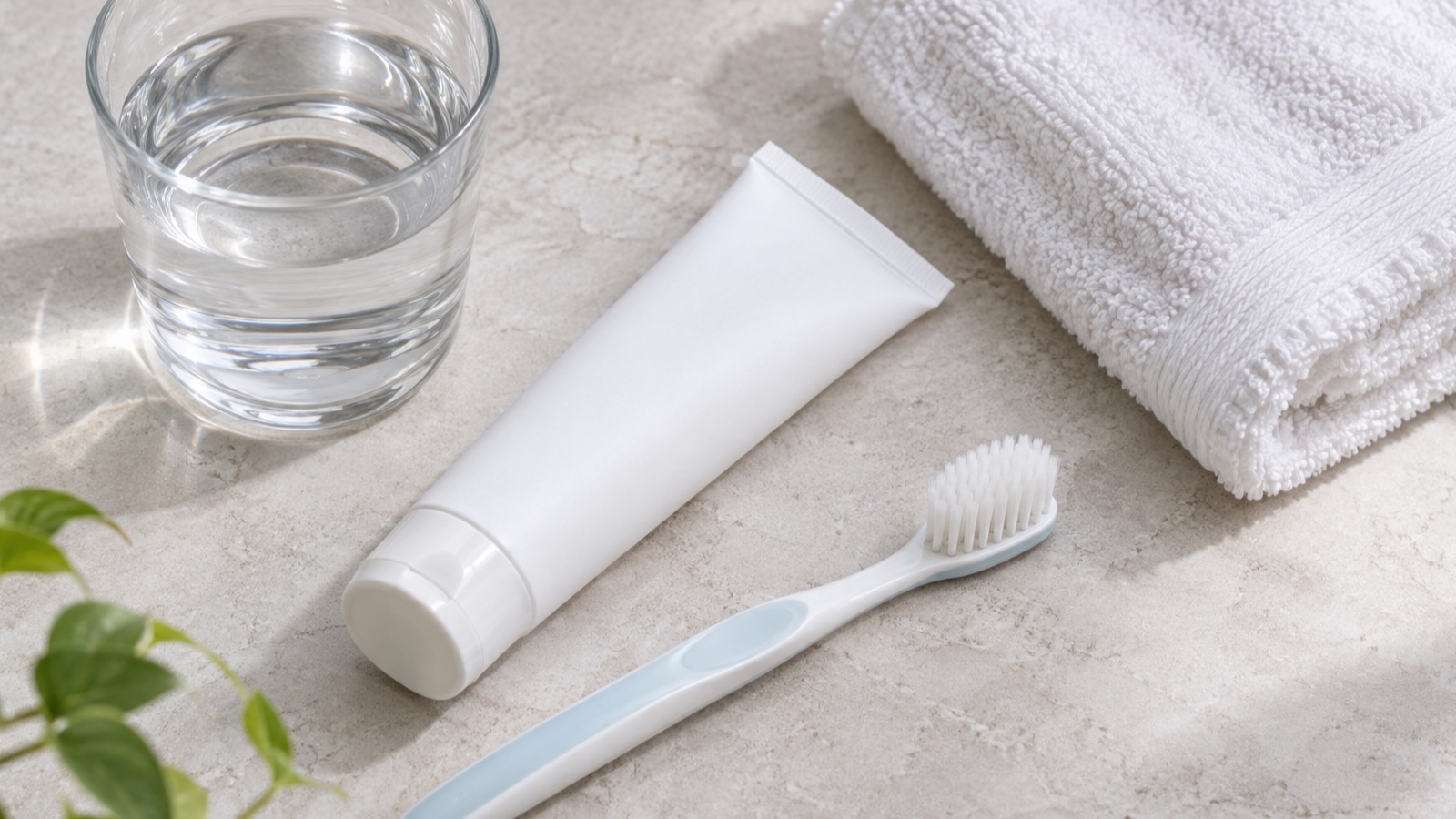
If your symptoms are mild and improving, these general measures may help reduce triggers while you monitor the pattern:
- Pause further whitening until sensitivity has settled or your dental provider gives different instructions.
- Choose lukewarm foods and drinks for a short period if hot or cold temperatures trigger discomfort.
- Brush gently with a soft-bristled toothbrush and avoid aggressive scrubbing near the gumline.
- Ask a pharmacist or dentist whether a desensitising toothpaste is suitable for you, and use it according to the label.
- Do not leave whitening products on for longer than directed or increase the amount used.
- If a tray, gel or product causes burning or marked gum irritation, remove it and seek advice from the provider.
For additional general guidance, you can read Pullenvale Dental’s article on managing sensitive teeth at home. That broader article covers causes unrelated to whitening as well, so ongoing symptoms should not automatically be attributed to the whitening treatment.
When should you contact a dentist?

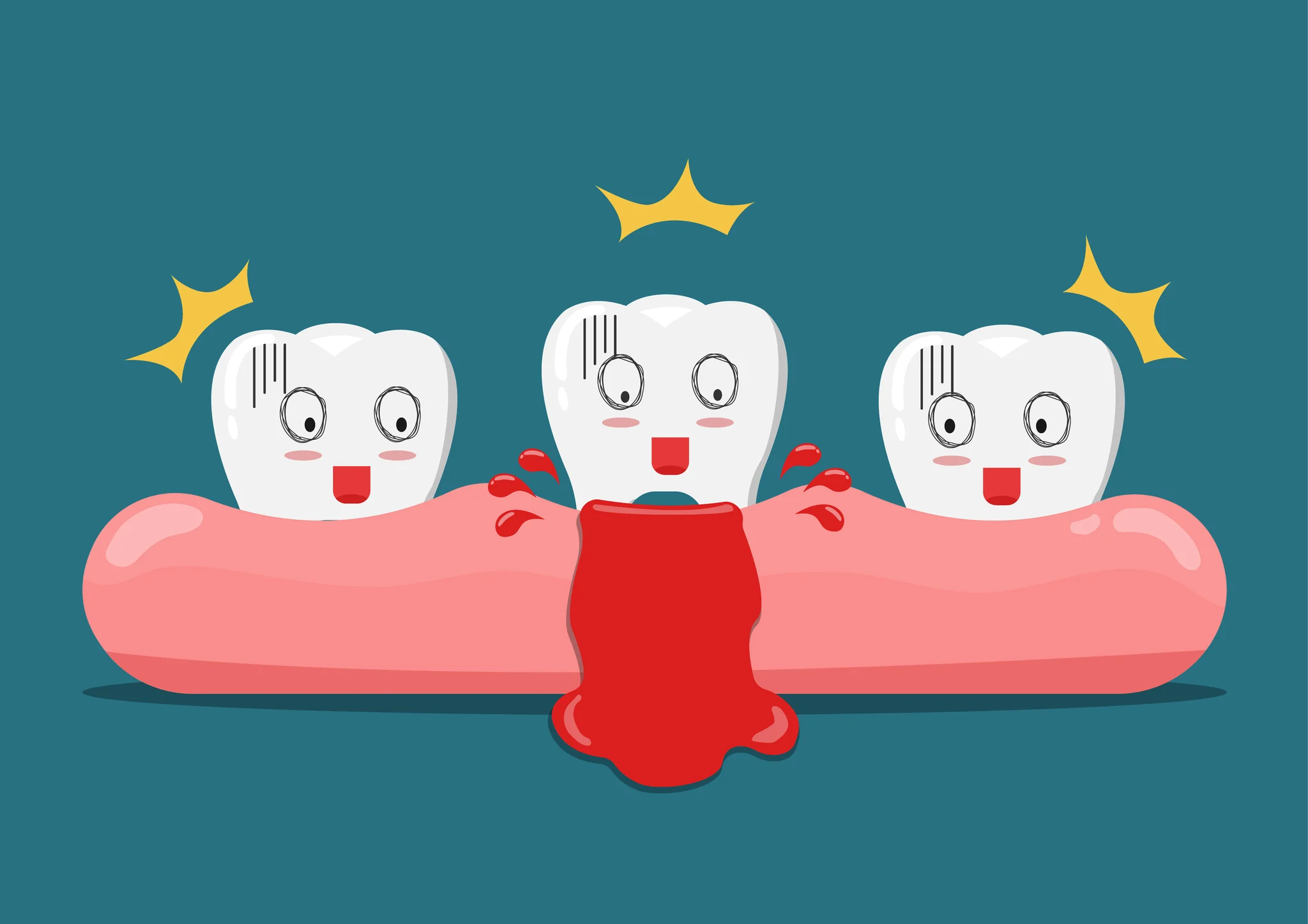
Contact a dentist if sensitivity after whitening is severe, lasts without improvement, keeps returning, is focused in one tooth, or is accompanied by swelling, bleeding, gum injury, a bad taste, fever, pain that starts without a trigger, or difficulty eating and drinking. Urgent symptoms should be assessed promptly.
An examination may help identify whether the symptoms are related to the whitening process or another issue such as decay, a crack, an exposed root, gum inflammation or a filling that needs attention. Avoid repeatedly applying whitening products to try to overcome symptoms.
Frequently asked questions
How long does sensitivity last after whitening?
There is no single timeframe that applies to everyone. Mild, trigger-related sensitivity often improves as the treatment effect wears off, but the product, exposure and condition of the teeth all matter. If it is not improving, is getting worse or continues after you stop whitening, seek individual advice.
Should I continue whitening if my teeth are sensitive?
Do not continue simply to complete a schedule if the treatment is causing significant discomfort. Pause and follow the instructions supplied with the product or contact your dental provider for advice about whether and when to resume.
Can whitening sensitivity mean my teeth are damaged?
Sensitivity alone cannot establish whether a tooth is damaged. Persistent, severe or localised symptoms need assessment because conditions unrelated to whitening can produce similar sensations.
What if my gums are irritated after whitening?
Remove the product, rinse as directed by the product instructions, and avoid reapplying it until you have advice. Marked, ongoing or worsening irritation should be assessed.
The takeaway
A brief, trigger-related response can occur after whitening, but the pattern should gradually become easier rather than more intense. Stop whitening and seek dental advice for severe, persistent, worsening, spontaneous or localised pain, or for swelling and other concerning symptoms. If you would like your symptoms or whitening plans assessed, you can book a dental appointment with Pullenvale Dental.
Note: Individual results may vary. This article is general information only and is not a substitute for an examination or personalised dental advice.


